












Most weightlifters wonder whether to use workout gloves or train with bare hands to get the best results. You might find that gloves improve your grip and offer wrist support, while others appreciate the natural feel and better muscle engagement that comes from bare-handed lifting. Understanding the advantages and potential challenges of both options can help you make decisions that enhance your comfort, performance, and safety during workouts. Let’s investigate the details so you can choose what suits your training style best.

The Great Debate: Workout Gloves vs. Bare Hands
Which is better for your training—gloves or bare hands?The choice between workout gloves and training with bare hands largely depends on what you prioritize during your lifting sessions. Gloves can provide enhanced grip and protection, which makes them a popular choice for those aiming to safeguard their skin and wrists, especially during heavy or high-rep workouts. On the other hand, lifting bare-handed allows for a more natural grip and tactile feedback, enabling you to develop stronger hand muscles and make subtle adjustments mid-lift that gloves might otherwise obscure.
Many lifters find that their preference evolves over time or varies based on the specific exercise or training intensity. For example, when performing exercises that demand maximum grip security like deadlifts or pull-ups, gloves might offer that extra confidence. In contrast, exercises focused on grip strength and precision, like Olympic lifts or kettlebell work, are often better served by bare hands. Ultimately, experimenting with both approaches throughout your fitness journey will help you identify the best fit for your goals and comfort.
Key Takeaways:
Workout gloves provide improved grip, hand protection, wrist support, and a barrier against germs, all of which contribute to a more comfortable and confident lifting experience. However, gloves can sometimes diminish your tactile connection with the equipment and may cause grip issues, depending on their design and fit.
Training with bare hands offers a natural grip and enhanced tactile feedback, fostering better technique and potentially greater hand muscle development. That said, going glove-free may increase the risk of developing calluses and skin irritation, depending on your training volume and intensity.
Pros and Cons of Workout Gloves
| Pros | Cons |
|---|---|
| Enhanced grip strength improves control over weights. | Added padding can reduce grip security on thick bars. |
| Protects against calluses and painful blisters. | Decreases tactile feedback, affecting bar feel. |
| Provides wrist support to reduce strain and injury risk. | May cause discomfort or slipping if gloves don’t fit well. |
| Acts as a barrier to minimize bacterial and germ transfer. | Requires regular cleaning to avoid bacteria buildup inside gloves. |
| Absorbs sweat to maintain skin integrity and comfort. | Can trap sweat inside gloves, leading to moisture buildup. |
| Allows longer, more comfortable training sessions by reducing hand fatigue. | Gloves can wear out quickly depending on material quality. |
| Useful for individuals with sensitive skin or allergies. | May not fit all hand sizes perfectly, limiting effectiveness. |
| Some models include padding that cushions pressure points. | Can be less convenient to take on/off during workouts. |
Balancing the benefits and drawbacks of workout gloves comes down to assessing the specific features most relevant to your training. For instance, if you frequently suffer from wrist discomfort or skin irritation, gloves with solid wrist support and moisture-wicking material might significantly improve your experience. Conversely, if you value maintaining maximum grip sensitivity and feel, minimizing padding or opting for fingerless gloves could be a better choice. Trying out different glove types and paying attention to fit, fabric, and padding will help you make the most of their advantages while keeping cons to a minimum.
Finding Your Fit: The Role of Personal Preference
How much does personal preference influence your workout choice?The decision between workout gloves and bare hands often comes down to how each feels for you during different exercises. Some lifters gravitate toward gloves for their consistent grip and wrist support, especially during heavy lifts like deadlifts or bench presses, where extra stability can make a noticeable difference. Conversely, certain exercises like dumbbell curls or Olympic lifts might feel more natural and controlled without the interference of glove padding. Experimenting with a variety of glove materials and fits — from thin leather options to breathable mesh versions — allows you to discover what enhances your comfort and effectiveness in the gym.
Personal factors such as how much you sweat, the size and shape of your hands, and your susceptibility to developing calluses or blisters also impact your choice. For instance, if you experience excessive hand sweating that causes slippage, gloves with moisture-wicking properties can keep your grip firm. On the other hand, if tactile feedback from the weights helps refine your technique, going bare-handed might better support your training goals. Testing each approach in real workout settings gives you practical insights that generic advice can’t fully capture.
The Importance of Individual Choice
Your unique training regimen and body characteristics shape how gloves or bare hands affect your performance and comfort. Lifters with smaller hands might find that gloves cause bulkiness that interferes with gripping standard or thicker bars, while larger hands could benefit from the cushioning that gloves provide. Those with sensitive skin or pre-existing skin conditions might prioritize protection, whereas others may prefer the direct bar contact that helps improve proprioception and movement precision.
Additionally, your workout environment matters. In busy gyms where equipment is heavily used, gloves can reduce exposure to germs and skin irritants, making them an appealing option. Meanwhile, home gym users with personal equipment might opt to go bare-handed, focusing on developing natural grip strength and sensory control without concern for hygiene on shared surfaces. Tailoring your choice based on these individual variables lets you design a setup that aligns with both your health needs and training ambitions.
Balancing Benefits and Drawbacks
Finding the middle ground between the advantages and disadvantages of gloves and bare hands often leads to the most productive outcome. Some lifters alternate between both options depending on the workout — for example, using gloves during heavy compound lifts to protect the wrists and enhance grip, then switching to bare hands for isolation exercises where sensitivity and bar feel optimize muscle activation. This approach harnesses the protective benefits of gloves while maintaining the natural connection and tactile feedback critical for fine-tuning technique.
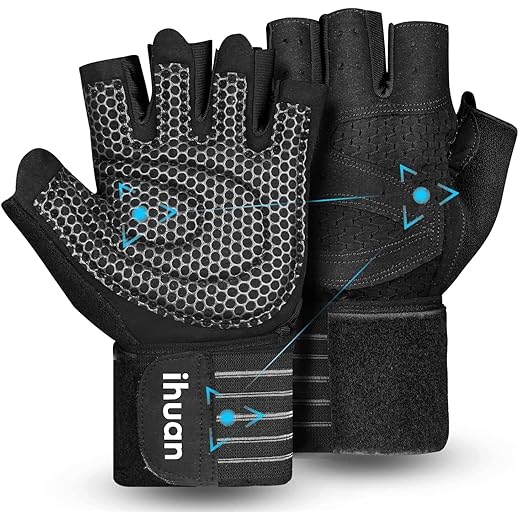
Selecting gloves with adjustable features, such as wrist straps or customizable padding thickness, can also help you tailor support levels for specific movements. Paying attention to how certain gloves influence your grip security and hand fatigue over time will help you avoid issues like grip compromise or reduced control. Balancing these factors enables you to mitigate drawbacks like loss of feel or grip slippage, while capitalizing on comfort and protection.
Experimenting with glove types and integrating periods of bare-handed training creates a dynamic routine that adapts to your progress and any evolving preferences. Tracking performance metrics such as lift maxes, grip endurance, and hand condition over weeks of using different approaches provides data to refine your setup. Ultimately, this blend of trial, observation, and adjustment tailors the workout experience to support consistent gains and injury prevention specific to you.

Bare-Hand Benefits: Unearthing the Upsides
What advantages come from training with bare hands?Training without gloves provides a level of feedback and control that’s hard to replicate with additional gear on your hands. Direct contact with the bar allows you to sense the slightest shifts in weight or grip pressure, enhancing your overall technique. This heightened awareness can help you make micro-adjustments during lifts, ultimately improving stability and reducing injury risks. Some lifters report that going bare-handed feels more natural and liberating, enabling them to focus fully on the movement rather than their equipment.
Your grip strength can also benefit from bare-handed training. Without the padding and support of gloves, the muscles in your hands and forearms must work harder to maintain a secure hold on the weights. Over time, this can lead to more robust muscle development in these key areas, supporting better performance across various lifts. While gloves provide assistance, relying on your natural grip builds functional strength that transfers well to other physical activities.
Enhanced Sensation and Connection
Feeling every nuance of your grip and the barbell’s texture contributes significantly to lifting precision. This tactile feedback helps you detect slippage early, prompting faster corrections and improving safety. For instance, when deadlifting or performing pull-ups, the difference between a secure grip and a subtle loss of control can affect both performance and injury likelihood. Training bare-handed heightens your awareness of these dynamics, fostering better muscle coordination and control.
Additionally, the sensory connection established without gloves encourages a more mindful workout. You become more attuned to how your hands engage with the equipment, which can influence overall lifting mechanics. This natural feedback loop helps refine your form and can even reveal underlying weaknesses or imbalances in your grip or wrist positioning that might otherwise go unnoticed when gloves dampen your sense of touch.
Natural Protection Against Skin Problems
While it might seem counterintuitive, training bare-handed can actually promote healthier skin over time. Your hands gradually build up calluses, which serve as natural shields against friction and pressure from weightlifting equipment. These calluses often prevent painful blisters and tears, providing durable protection that gloves cannot replicate. When managed properly through regular care—like moisturizing and gentle filing—calluses become an asset rather than a nuisance.
In contrast to gloves that trap sweat and heat, exposing your hands during training allows for better ventilation and evaporation of moisture. This reduces the risk of fungal infections and bacterial buildup under gloves, which can thrive in warm, moist environments. With bare hands, you let your skin “breathe,” maintaining its natural defenses against irritation and infection during intense workouts.
The development of these resilient calluses and improved skin health depends on consistent exposure and gradual adaptation. Sudden heavy lifting without gloves can cause damage initially, but steady training encourages skin toughening and reduced sensitivity to wear and tear. Many seasoned weightlifters consider this a rite of passage contributing to their strength and endurance, with calluses acting as a built-in glove made by your own body.
The Case for Workout Gloves: More Than Just Style
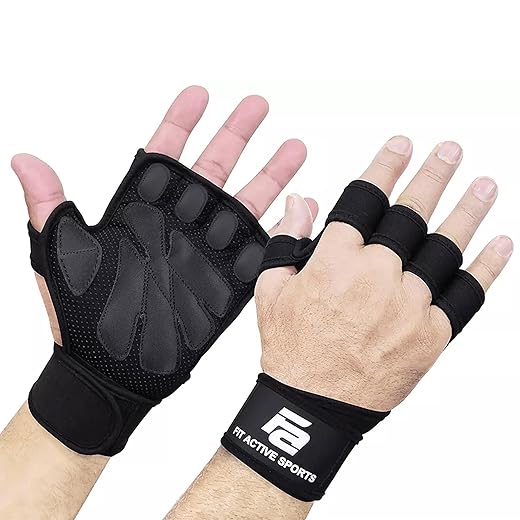
Do workout gloves truly boost performance and protection?Beyond aesthetics, workout gloves deliver practical benefits that go well beyond looking good in the gym. The added layer between your hands and the equipment offers hand protection that can extend your training longevity. Whether you’re pushing through heavy deadlifts or repetitive pull-ups, gloves help reduce friction that causes painful calluses and blisters—which can sideline even the most dedicated lifters. Some models also come with strategically placed padding and wrist wraps that provide extra stability, supporting proper alignment and reducing fatigue during intense or high-rep sessions.
Workout gloves often serve as a psychological boost too. Knowing your hands are shielded and supported can help you push harder, especially during heavy lifts where grip failure is common. The confidence gained from improved grip security and wrist stabilization allows you to focus more on form and muscle engagement rather than worrying about slipping or hand discomfort. Over time, this can translate into better progress and fewer interruptions to your training schedule.
Infection Prevention and Hygiene
The gym environment can be a breeding ground for bacteria, fungi, and viruses lurking on shared surfaces and equipment. Workout gloves create a physical barrier that significantly reduces the direct contact between your bare skin and these potential contaminants. This layer can be particularly valuable if you frequent communal gyms where equipment is heavily used and not always sanitized between users. Gloves help block transfer of germs that could contribute to skin infections, rashes, or even the dreaded wart-causing HPV.
Choosing gloves made from antimicrobial or moisture-wicking materials further elevates hygiene during your workouts. These fabrics discourage bacterial growth by keeping sweat away from your skin and the glove’s surface, lowering the risk of unpleasant odors and infections. Regular washing and drying of gloves keep them fresh and hygienic, making them a worthwhile investment for anyone concerned about maintaining healthy hands while maximizing gym time.
Better Grip and Technique Improvement
Enhanced grip is one of the standout benefits that workout gloves provide. When handling heavy or slippery weights, gloves offer extra traction, reducing the chance of the bar slipping from your hands. This improved control not only allows you to lift heavier but also helps maintain correct wrist and hand positioning throughout movements, crucial for safe and effective lifting technique. With a firmer grip, you can focus on muscle engagement instead of compensating for grip fatigue.
For exercises like deadlifts, pull-ups, or barbell rows, where grip often fails before the targeted muscles do, gloves can make a measurable difference in performance. Many weightlifters report being able to increase volume and intensity when wearing gloves, as the reduced grip strain means less early fatigue. Over time, this can lead to notable strength gains and technique refinement as you practice controlled, stable lifts repeatedly.
Carefully selected gloves balance grip enhancement with tactile feedback, allowing you to feel and adjust your grip as needed. The best gloves use thinner, textured palm materials to maximize grip without dulling your connection to the bar. This fusion of support and sensitivity helps maintain precision in your lifts, contributing to both improved form and confidence during challenging sets.
Navigating the Path to Comfort: Calluses and Alternatives
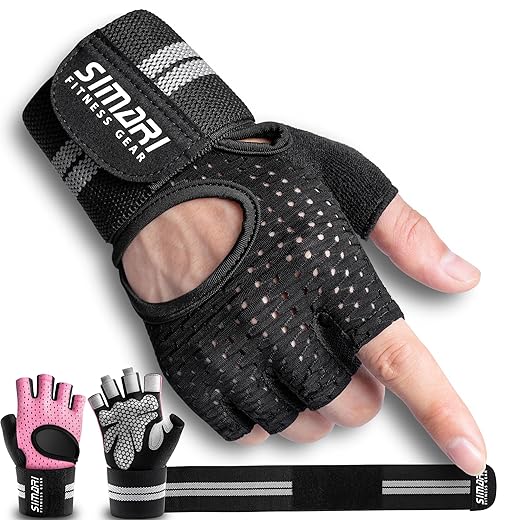
How can you prevent calluses while keeping workouts comfortable?Calluses are a natural byproduct of repeated friction and pressure on your hands during weightlifting. While some lifters see them as badges of honor that signal increased toughness and experience, others find them uncomfortable or even painful, especially if they develop cracks or become excessive. Managing calluses effectively can make your training more enjoyable and reduce interruptions caused by blistering or soreness. Options like regular moisturizing, gentle filing, and protective gloves can help maintain skin health while you push through heavy lifts.
If calluses become too bothersome or you prefer to avoid them altogether, there are alternative grips and gear designed to ease hand stress without sacrificing performance. It’s worth exploring different strategies early on so you avoid the frustration that can come with raw or torn skin, which might sideline your workouts. Balancing skin protection with tactile feedback is key to long-term comfort as you increase volume and intensity in your sessions.
Addressing Calluses and Blisters
Calluses offer a protective layer, but left unchecked, they can develop into painful blisters that interfere with your grip and technique. Moisturizing your hands daily keeps the skin supple and reduces the risk of cracking, while using tools like pumice stones or callus shavers can gently reduce thickness without removing all the protective benefits. Some lifters also apply chalk sparingly to manage moisture and reduce friction, further minimizing blister formation.
Blisters usually arise when friction exceeds the skin’s tolerance, often during increased volume or heavier lifting phases. If you notice blister hotspots developing, consider temporary breaks from direct bar contact by using gloves or grips. Applying moleskin patches to vulnerable areas provides a lightweight barrier and can significantly speed recovery, getting you back to training without prolonged downtime.
Exploring Power Grips as a Unique Option
Power grips, often made from leather or synthetic materials, combine elements of both gloves and bare hands by wrapping around the palms and securing the bar while leaving the fingers mostly exposed. This design enhances grip security and bar control without fully isolating your skin from tactile sensations. Many lifters using power grips report that these provide a balanced solution, reducing callus build-up and hand fatigue while preserving the connection with the bar vital for precise lifts.
Unlike full gloves, power grips are lightweight and breathable, which helps reduce sweating and discomfort during high-intensity sessions. They don’t interfere much with bar thickness or hand positioning, making them particularly popular among Olympic lifters and CrossFit athletes who require swift grip adjustments and quick transitions between movements.
Power grips offer a specialized middle ground between bare hands and gloves by focusing protection on critical palm areas while maximizing dexterity and feel. Their ability to reduce skin friction yet maintain excellent grip makes them an appealing choice if you struggle with calluses but dislike the bulk and grip dampening of traditional workout gloves.

Summing up
With these considerations in mind, choosing between workout gloves and training with bare hands ultimately comes down to what feels right for you. Gloves can offer added grip, protection, and support, which might make your workouts more comfortable and safer, especially if you’re prone to calluses, blisters, or skin sensitivities. On the other hand, going bare-handed allows you to connect more naturally with the weights and can enhance your tactile feedback, potentially improving your technique and muscle engagement. Both approaches have unique benefits that can serve different needs depending on your style and goals.
It’s a good idea to try out both options and see how they impact your training experience. You might find that alternating between gloves and bare hands for various exercises works best, or you may stick with one method that suits you perfectly. By paying attention to how your hands feel during and after workouts, and adjusting accordingly, you’ll be able to create a routine that supports your performance and keeps you motivated to keep lifting strong.
FAQ
Yes, workout gloves can enhance grip by providing additional friction and cushioning between the hands and the equipment. This can help weightlifters maintain better control over weights and reduce the risk of slipping, especially during heavy lifts or sweaty sessions. However, the effectiveness depends on the glove material and fit, as poorly fitting gloves may hinder grip instead.
Training without gloves encourages the hands and forearms to engage more actively since there is no external assistance from padding. This increased engagement can promote stronger muscle development in the grip-related muscles. Additionally, bare-handed lifting provides enhanced tactile feedback, which may improve technique and muscle coordination over time.
Workout gloves do offer protection against the formation of calluses and blisters by reducing friction and absorbing sweat. However, some weightlifters prefer to condition their hands naturally without gloves, which can also reduce callus formation over time. The choice depends on individual comfort and how skin responds to different training routines.
Gloves serve as a physical barrier between the hands and shared gym equipment, limiting direct contact with germs such as bacteria and viruses. Since warts are caused by the human papillomavirus (HPV), which thrives in communal gym environments, wearing gloves can lower the chances of virus transmission by creating an inhospitable surface and preventing skin exposure to contaminated areas.
Decision-making should involve personal comfort, grip needs, skin sensitivity, and workout goals. Considerations include your hand size, sweat levels, types of exercises performed, and any skin conditions or allergies. Experimenting with both options can help identify which approach offers better grip, protection, and overall performance tailored to your individual preferences.


