



Weight training with a bench that includes leg rollers can take your workouts to the next level, helping you target your legs and core effectively. When you use your bench properly, you protect your knees and avoid injury, while getting the best results from exercises like quad extensions and hamstring curls. This guide will show you exactly how to adjust your leg rollers, maintain safe form, and maximize your routine, so you can build strength confidently and comfortably.

Maximizing Your Leg Rollers: A Deep Dive
Are You Getting the Most Out of Your Leg Rollers?What Are Leg Rollers and How Do They Function?
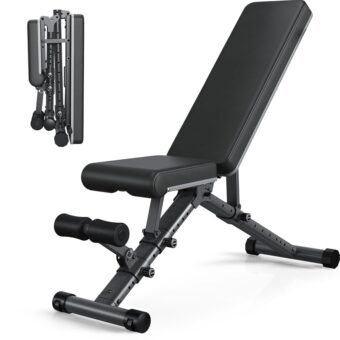
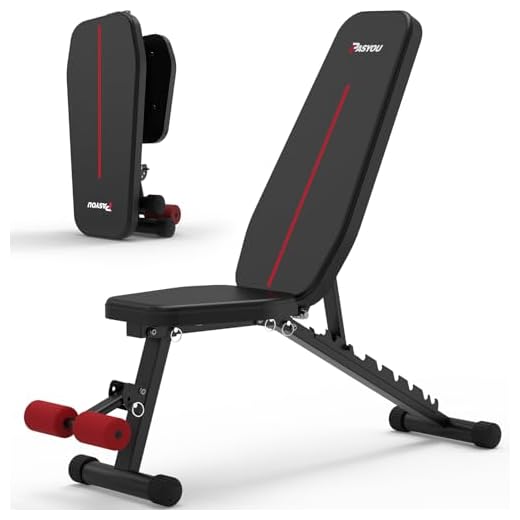
Leg rollers act as support components attached to weight benches, designed to stabilize your legs during various exercises like leg curls, extensions, and sit-ups. These rollers provide cushioning and prevent your legs from slipping, allowing you to focus on proper form and muscle engagement. Their ergonomic shape helps keep your knees and ankles in place, reducing strain and enhancing the effectiveness of movements.
By anchoring your legs securely, leg rollers enable targeted muscle activation, particularly in the quads, hamstrings, and core. Some models feature adjustable heights or positions so you can tailor the fit to your leg length, optimizing comfort and workout range. This adaptability enhances your ability to safely increase resistance or repetitions while maintaining control throughout each exercise.
Unveiling the Types of Leg Rollers
Leg rollers generally come in three main types based on the number of padded rollers: single, double, and triple. Each configuration offers varying levels of support and comfort, adapting to different exercise requirements and user preferences. Single rollers provide basic support and are often found in compact benches, while double and triple rollers cater more toward advanced routines, offering added stability and cushioning.
| Type | Description |
|---|---|
| Single Roller | One padded roller; compact and suitable for basic leg stabilization. |
| Double Roller | Two rollers; increased support and comfort for moderate exercises. |
| Triple Roller | Three rollers; maximum coverage for intense workouts and varied positions. |
| Adjustability | All types can feature adjustable heights and positions to fit individual users. |
| Material | Padding varies from foam to leatherette, impacting durability and comfort. |
Exploring these roller types helps you find the best match for your leg workouts, improving both safety and performance. Selecting the ideal configuration will depend on the exercises you prioritize and how much leg support feels right for your routine.
Key Features to Look For
Leg rollers vary widely, but certain features consistently contribute to a better workout experience. Adjustable positions let you customize the roller placement to suit your leg length and specific exercises, making movements more natural and reducing strain on your joints. High-density padding absorbs impact and enhances comfort, allowing you to push through longer sessions without discomfort.
A sturdy frame ensures the rollers stay firmly in place even under heavier resistance or vigorous exercise, while sufficient weight capacity guarantees the equipment can safely handle your body weight without wobbling. These structural elements combine to offer stability and durability, keys to maximizing the benefits of your bench setup.
Investing time in evaluating these key features before purchasing or using leg rollers can significantly influence your workout outcomes. This attention to detail improves your confidence in the equipment and reduces the risk of injury during exercises that demand precise leg stabilization.

Targeted Exercises to Elevate Your Routine
Ready to Level Up Your Workouts with Precision?Incorporating leg rollers into your weight bench workouts opens up a variety of focused movements that engage specific muscle groups more effectively. These exercises not only help in shaping and strengthening your legs but also enhance overall stability and endurance. By selecting the appropriate leg roller type and adjusting positions, you can tailor each movement to your fitness level and goals, making every session count.
Targeted exercises such as quad extensions, lying hamstring curls, and sit-ups on the bench utilize the unique design of leg rollers to support and guide your body through controlled, isolated motions. This allows you to intensify the workload on your muscles while minimizing unnecessary strain, letting you push yourself safely toward stronger, more sculpted legs and a solid core.
Building Strength: Quad Extensions for Quads and Knees
Quad extensions focus directly on your quadriceps, the large muscles along the front of your thighs, playing a key role in knee extension and overall leg power. With the leg rollers properly positioned just above your ankles, you can perform slow, controlled lifts that place consistent tension on the quads. Using adjustable padded rollers ensures comfort and stability during the movement, helping prevent slippage even when lifting heavier weights.
This exercise also benefits knee joint health by strengthening the muscles that support it, improving both endurance and function. For example, completing 3 sets of 12-15 controlled reps with moderate weight activates your quads efficiently without overstressing the joint. Make sure your weight bench’s sturdy frame and weight capacity align with your loading needs, so you can safely increase resistance over time.
Sculpting Your Hamstrings: Lying Hamstring Curls
Lying hamstring curls isolate the muscles along the back of your thighs, necessary for balanced leg strength and injury prevention. Positioning your legs under the leg rollers—often double or triple roller setups work well here—allows you to curl your legs upward against resistance, emphasizing the hamstrings while keeping your hips stable on the bench. The padded rollers cushion your legs during the movement, adding comfort during heavier sets.
Incorporating this exercise into your routine increases hamstring endurance and flexibility, which is vital if you engage in running, jumping, or other dynamic activities. You can modify the difficulty by adjusting the roller positions or the added weight on your bench, making hamstring curls a versatile component of any leg workout plan.
Focusing on smooth, controlled motion during lying hamstring curls reduces the risk of strain and maximizes muscle engagement. For instance, a 45-degree range of motion performed over three sets of 10-12 reps can significantly improve hamstring activation. This targeted approach supports overall knee stability and helps counteract muscular imbalances that often lead to injury.
Core Strength: Sit-Ups on the Weight Bench
Using the weight bench with leg rollers to perform sit-ups adds a level of support and resistance that challenges your core more effectively than floor exercises alone. The leg rollers secure your feet, allowing you to focus solely on engaging your abdominal muscles through each controlled crunch. You can adjust the leg roller position to accommodate your height and comfort, which helps maintain proper form throughout the set.
Adding resistance bands or small weights to your sit-ups while using the bench can further amplify the core challenge, encouraging stronger muscle recruitment. Aim for sets of 15 to 20 controlled repetitions, maintaining a steady pace and avoiding momentum to make the most out of each contraction. This method improves not just core strength but spinal stability and posture over time.
The benefit of sit-ups on a bench outfitted with leg rollers lies in the enhanced stability they provide, minimizing the risk of feet slipping and reducing stress on your lower back. This setup allows you to concentrate fully on your core activation, contributing to improved functional movement and injury prevention.
Safety Protocols to Ensure an Effective Workout
Are You Training Smart and Staying Safe?Choosing the Right Weight for Your Fitness Level
Selecting the appropriate weight is key to progressing safely with your leg roller exercises. Starting too heavy can lead to strain or injury, especially when performing moves like quad extensions or hamstring curls where control is necessary. Aim to begin with a weight that challenges you but allows you to complete 10 to 15 controlled repetitions without losing form. For instance, many beginners find a resistance range of 5 to 15 pounds manageable when working with leg rollers equipped for added weights.
As you grow stronger, gradually increase the load to stimulate muscle growth and endurance. Adding small increments, such as 2.5 or 5 pounds, ensures continuous progress while minimizing the risk of overloading your joints or muscles. Observe how your body responds after each session—if you experience any sharp pain or excessive fatigue, scale back and reassess your weight choices. A bench with adjustable leg rollers that handle varying weight capacities can be a great asset for customizing your workout intensity.
Maintaining Proper Form to Prevent Injury
Keeping proper form throughout your exercises protects your knees, hamstrings, and lower back from undue stress. When performing quad extensions, focus on controlled movements—raise your legs using your quads without locking your knees at full extension. During lying hamstring curls, avoid jerking motions; instead, curl your legs slowly, engaging your hamstrings fully while keeping your hips firmly pressed against the bench. Pay close attention to the positioning of your leg rollers: ideally, they should be cushioned and positioned just above your ankles to provide stable support without causing discomfort.
Balance plays a vital role in preventing injury. A bench with stable, sturdy frames and high-quality padding helps you maintain alignment and reduces the risk of slipping during intense sets. Your core activation also contributes to stability—engaging your abdomen during sit-ups or leg exercises will enhance control and protect your spine. Experiment with adjustable bench angles and roller positions to find a setup that encourages optimal form without compromising your comfort.
Small misalignments can quickly lead to discomfort or injury, so frequent self-checks or even video recordings of your sessions can help identify and correct form issues early. Incorporating mirror feedback or asking a workout partner for pointers can provide an extra layer of safety by ensuring your movements remain precise.
The Importance of Warming Up and Cooling Down
A well-structured warm-up increases blood flow to your muscles, enhances joint mobility, and prepares your nervous system for the workout ahead. Spend at least 5 to 10 minutes on dynamic stretches or light cardio before engaging with leg rollers. Movements like leg swings, bodyweight squats, and walking lunges specifically target your legs and hips, making them excellent warm-up choices. This preparation reduces muscle stiffness and the likelihood of strains during exercises like lying hamstring curls or quad extensions.
Cooling down after your workout helps normalize your heart rate and prevents muscle tightness. Incorporate static stretches focusing on your quads, hamstrings, and calves, holding each stretch for about 20 to 30 seconds. Gentle foam rolling on your legs can further ease tension and promote recovery. Taking the time to cool down also supports better long-term flexibility and reduces soreness, allowing consistent progress with your leg roller routines.
Ignoring warm-up and cool-down phases can significantly increase injury risk and delay muscle recovery, so integrating these steps into your routine contributes to safer and more effective workouts over time.

Building Strength: Sample Workouts for Every Level
Which Workout Matches Your Fitness Level?Beginner Leg Workout to Start Strong
If you’re new to using leg rollers on your weight bench, begin with exercises that focus on mastering form and building foundational strength. Start with quad extensions using light resistance—this helps you activate your quadriceps safely while familiarizing yourself with the equipment’s adjustable positions and padding comfort. Complete 3 sets of 10-12 reps, ensuring slow and controlled movements.
Pair those with lying hamstring curls using minimal weight to engage your hamstrings without overloading them. Incorporate core sit-ups on the bench for 3 sets of 12 to support overall stability. These simple routines help establish a baseline and reinforce good habits before progressing to more demanding workouts.
Intermediate Leg Workout for Steady Progression
Once comfortable with beginner moves, challenge your muscles further with increased resistance and more complex sets. Add weight plates or adjustable resistance bands to your quad extensions and hamstring curls. Try supersets combining both exercises, doing 4 sets of 8-10 reps to boost endurance and strength.
Integrate slower eccentric phases on the leg rollers to enhance muscle tension and growth. You can also include elevated sit-ups to ramp up core activation, focusing on maintaining a sturdy frame and proper form throughout. This approach promotes continuous progression without overtaxing your joints and muscles.
By increasing intensity gradually and adjusting your equipment’s positions and padding for maximum comfort, you’ll see improvements in muscle tone and joint stability. These workouts respond well to incremental adjustments that fit your strength gains and performance goals.
Advanced Leg Workout to Challenge Your Limits
Push your leg training to the next level with heavier weights and strategic variations designed to target every angle of your quads, hamstrings, and core. Perform 5 sets of 6-8 reps of weighted quad extensions with longer tension holds at the peak contraction. Follow with explosive hamstring curls that emphasize speed and power, engaging fast-twitch muscle fibers effectively.
Add resistance to your sit-ups by holding a weight plate or medicine ball, and incorporate pauses at the top of each repetition to intensify core activation. Using the leg rollers’ adjustable positions, vary your foot placement to target different muscle fibers and avoid plateaus. This routine requires keen attention to form and progression to keep delivering results.
Advanced workout components:
1. Weighted Quad Extensions with 5 sets of 6-8 reps.
2. Explosive Lying Hamstring Curls emphasizing speed.
3. Weighted Sit-Ups with pauses for core activation.
4. Variable Foot Positioning on leg rollers for muscle targeting.
The advanced program turns your weight bench with leg rollers into a powerful tool for maximum muscle engagement and strength gains. By fine-tuning resistance and foot placement, you can continually refine how your muscles respond, pushing your limits safely and effectively.
Tips for advanced training:
1. Maintain steady, controlled form to avoid injury.
2. Increase weight incrementally to prevent overtraining.
3. Use adjustable settings on leg rollers for tailored resistance.
4. Incorporate sufficient rest and recovery between workouts.

Conclusion
Following this guide on how to use a weight bench with leg rollers, you’re now equipped to maximize your workouts and target your leg muscles effectively. By adjusting the leg rollers to fit your comfort, focusing on proper form, and selecting the right exercises, you can make the most of your fitness routine while minimizing the risk of injury. Whether you’re working on your quads, hamstrings, or core, incorporating leg rollers into your bench workouts adds variety and helps you build strength in a controlled and efficient way.
As you continue to practice and challenge yourself, you’ll notice improvements in your muscle tone and overall leg strength. Take your time to explore different exercises and find what works best for your body and fitness goals. With a bit of patience and consistency, using a weight bench with leg rollers can become an enjoyable, effective part of your exercise regimen that supports your journey to stronger, healthier legs.
FAQ
To adjust the leg rollers, first release the locking mechanism, then slide the rollers to fit the length of your legs comfortably. The rollers should support your lower legs just above the ankles without causing any discomfort. Once adjusted, securely lock the rollers in place to ensure stability during exercises.
Position your legs so that the leg rollers rest securely against the lower part of your legs, typically just above the ankles. This positioning provides optimal support and allows for controlled movement during exercises such as hamstring curls or quad extensions. Make sure your knees align properly with the bench to maintain correct form.
While it is possible, leg rollers enhance stability and target muscle engagement during leg exercises. Using a weight bench without leg rollers may make it harder to maintain proper form and effectively isolate leg muscles. For best results and safety, using a bench equipped with leg rollers is recommended for leg-focused workouts.
Regularly inspect the leg rollers for any signs of wear or damage, such as cracks in the padding or loosened attachments. Clean the rollers after use to prevent sweat and dirt buildup, which can cause deterioration over time. Lubricate any moving parts if necessary, and tighten all bolts and screws routinely to maintain sturdiness.
Avoid setting the rollers too tight or too loose, which can lead to discomfort or instability. Do not perform exercises without warming up, as this can increase the risk of muscle strain. Additionally, ensure that your movements remain controlled and avoid locking your joints at full extension to prevent injury.


