







You’re about to discover 9 crazy-effective kettlebell exercises that will transform your workout routine! Whether you’re a complete beginner or just looking to refine your skills, these moves are designed with you in mind. Get ready to build strength, improve your endurance, and enhance your overall fitness with simple techniques that anyone can master. Grab your kettlebell and let’s explore exercises that will keep your workouts exciting and highly effective!


What is a Kettlebell?
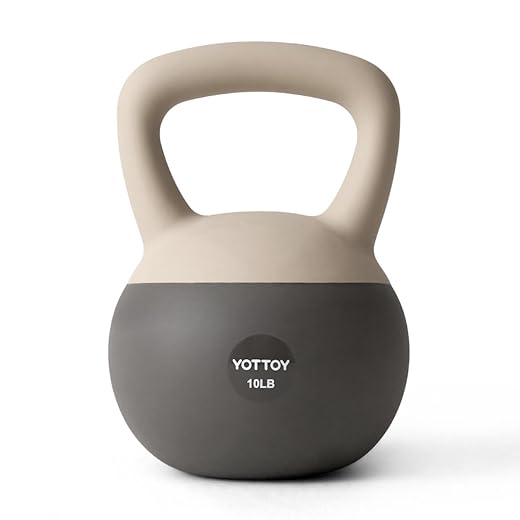
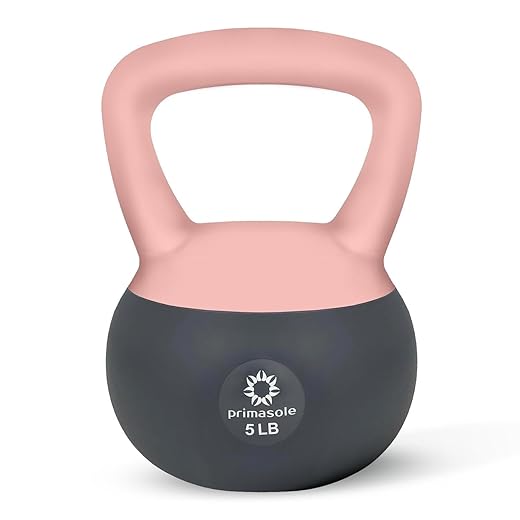
How does a kettlebell improve your strength and fitness?A kettlebell is a versatile piece of fitness equipment that resembles a cannonball with a handle. Originating from Russia, these weights vary in size and weight, typically ranging from 5 to 100 pounds. The unique shape allows for a broad range of exercises that engage multiple muscle groups and improve overall strength, flexibility, and aerobic capacity. You can perform swings, deadlifts, and carries—or get creative and develop your own routines tailored to your goals.
Benefits of Kettlebell Training
Kettlebell training offers a multitude of benefits that make it accessible and effective for beginners. You can enhance your functional strength, coordination, and balance with dynamic movements that mimic everyday activities. Additionally, incorporating kettlebells into your routine can lead to improved cardiovascular fitness, as many exercises elevate your heart rate while building muscle simultaneously, making your workouts more efficient.
Studies show that kettlebell training can burn up to 20 calories per minute, which is comparable to high-intensity interval training. This calorie burn, combined with the strength gains, puts you in an advantageous position for weight management and overall fitness. More than just a workout, kettlebell training cultivates a full-body conditioning approach that can be easily modified to fit your individual fitness level.
Choosing the Right Kettlebell
Selecting the right kettlebell is key to getting started on your fitness journey. Beginners should aim for a weight that feels manageable yet challenges you; typically, a kettlebell between 10 to 20 pounds is suitable. The weight ultimately depends on your existing strength level and the specific exercises you intend to perform. It’s beneficial to consider a lighter kettlebell for complex movements and a heavier one for basic lifts.
Prioritize kettlebells with a smooth handle that fits comfortably in your grip and consider the material—cast iron kettlebells are traditional, while competition kettlebells are uniform in size but vary in weight. Investing in quality equipment ensures durability and safety, allowing you to focus entirely on your workout without the risk of equipment failure. Always choose a kettlebell that allows for proper technique and range of motion to minimize injury risk.

The Importance of Proper Form
Why is maintaining proper form crucial during workouts?Mastering proper form ensures you gain the maximum benefits from each kettlebell exercise while minimizing the risk of injury. Each movement should focus on alignment, balance, and control, leading to effective muscle engagement. As you begin practicing, prioritize movements that feel natural and comfortable. A well-executed swing, for example, not only strengthens your core but also enhances coordination and stability. When you utilize the correct technique consistently, you pave the way for progress and confidence in your workouts.
Key Safety Tips
To keep your training sessions safe and effective, adopting a few key safety tips is paramount. Start with a warm-up to prime your muscles and joints. Choose a kettlebell weight that allows you to maintain control throughout each repetition. Pay attention to your grip and stance; you should feel balanced and steady as you perform each movement. Listen to your body. If something feels off or painful, stop and reassess your form or weight. Consider incorporating a mirror into your routine to visually check your posture and technique.
Knowing the fundamentals of form and safety can significantly enhance your kettlebell training experience. Prioritizing these elements not only protects you from injury but also leads to faster and more impressive gains.
Common Mistakes to Avoid
One of the most frequent pitfalls is using a kettlebell that is too heavy, which compromises your form and increases the likelihood of injury. This often leads to swinging from the arms rather than the hips, neglecting the full-body engagement important for effective workouts. Another common mistake is neglecting proper breathing patterns. Failing to exhale during exertion can lead to premature fatigue and limit your performance. Concentrating on your breathing can help maintain rhythm and power throughout your sets.
Pay attention to how you approach each exercise. Shifting your focus from battling the weights to mastering your form can set you on the path to success. Regularly check your movements against instructional videos or consult a trainer for personalized advice. Evaluating how you lift, swing, and transition will foster improvements in strength and confidence. These small adjustments are integral to building a solid foundation for your kettlebell journey.

9 Crazy-Effective Kettlebell Exercises
Which kettlebell moves deliver the best full-body results?Kettlebell Swing
The kettlebell swing is an iconic movement that targets your posterior chain, primarily your glutes, hamstrings, and lower back. To execute this, initiate the swing from a standing position, using your hips to drive the kettlebell forward and upward. As the kettlebell swings back down, hinge at your hips while maintaining a flat back, recycling the momentum. This powerful yet rhythmic movement enhances your strength and stamina, making it perfect for fat loss and cardio fitness.
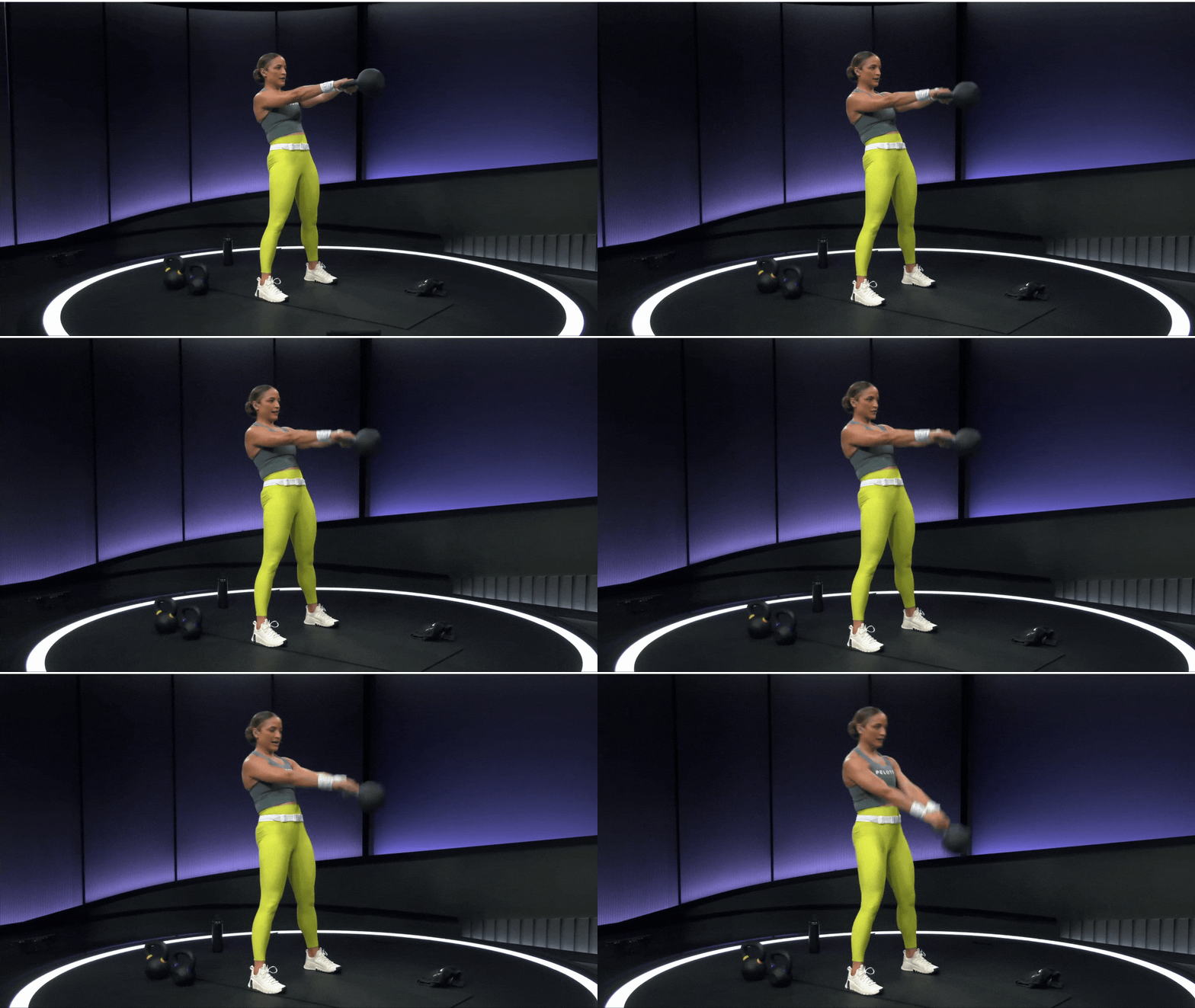
Focus on generating force from your hips rather than your arms to maximize effectiveness. Master the hip hinge, feel the energy transfer, and you’ll notice a significant difference in your performance. Beginners often struggle with timing; practice slowly, then gradually increase speed as you gain confidence.
Goblet Squat
For the goblet squat, hold a kettlebell by its horns close to your chest, adopting a stance slightly wider than hip-width. As you squat down, your elbows should ideally brush the insides of your knees while keeping your back straight. This variation is brilliant for developing lower body strength and improving squat form.
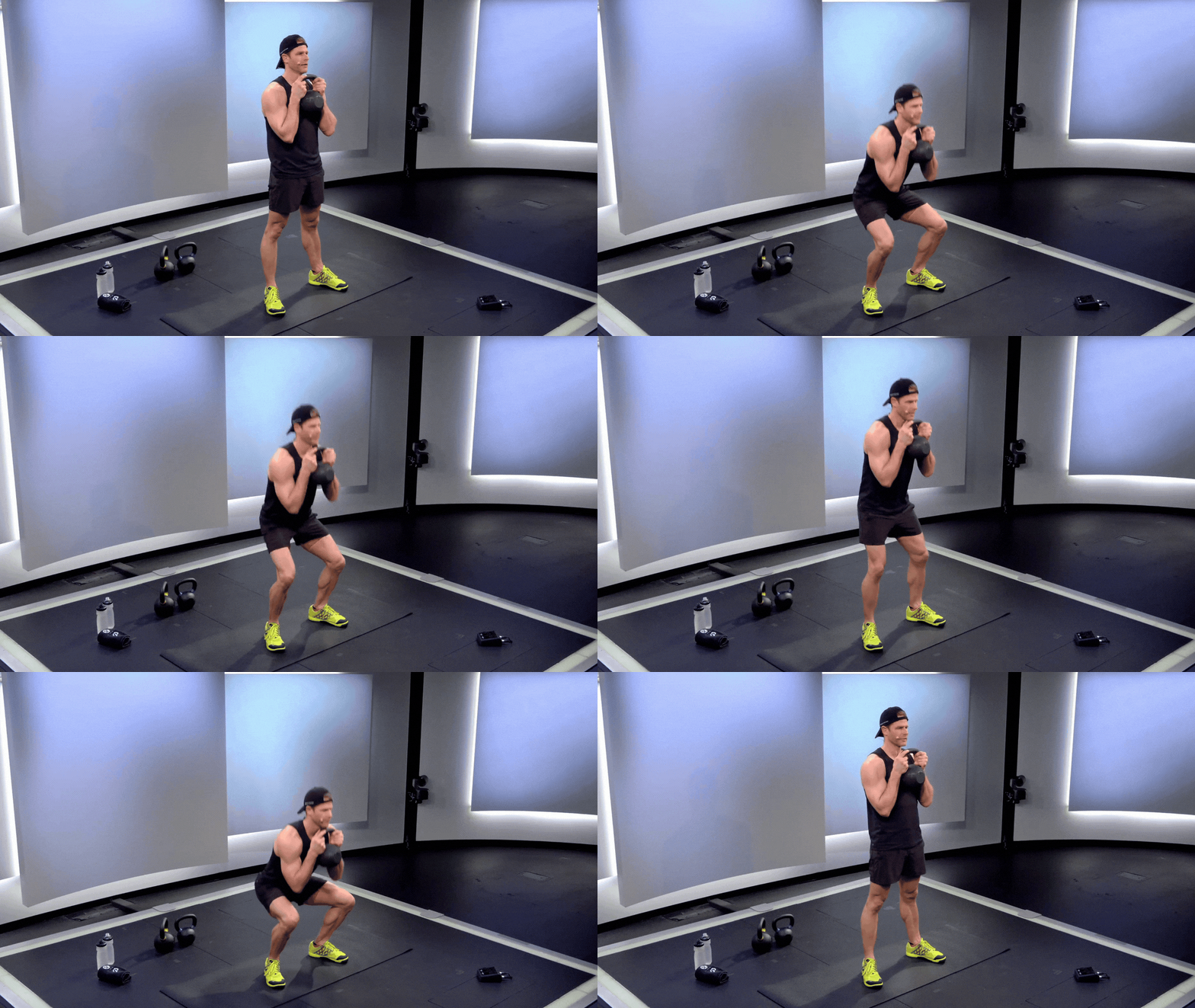
Engaging your core throughout the movement is vital for maintaining stability. As you push through your heels to rise, ensure your knees don’t extend beyond your toes, promoting safe and effective squat mechanics. Incorporating goblet squats into your routine can enhance mobility and strength simultaneously.
In addition to strength training, goblet squats help improve flexibility in the hips and ankles. They serve as an excellent tool for beginners to master the squat pattern before progressing to more advanced variations.
Kettlebell Deadlift
The kettlebell deadlift is crucial for training your posterior chain, similar to the swing but with a focus on lifting. Position the kettlebell between your feet and hinge at the hips to grab the handle. Keep your chest up and back straight, pushing through your heels to lift the kettlebell while fully extending your hips and knees. Lower it back down in a controlled manner to complete the movement.
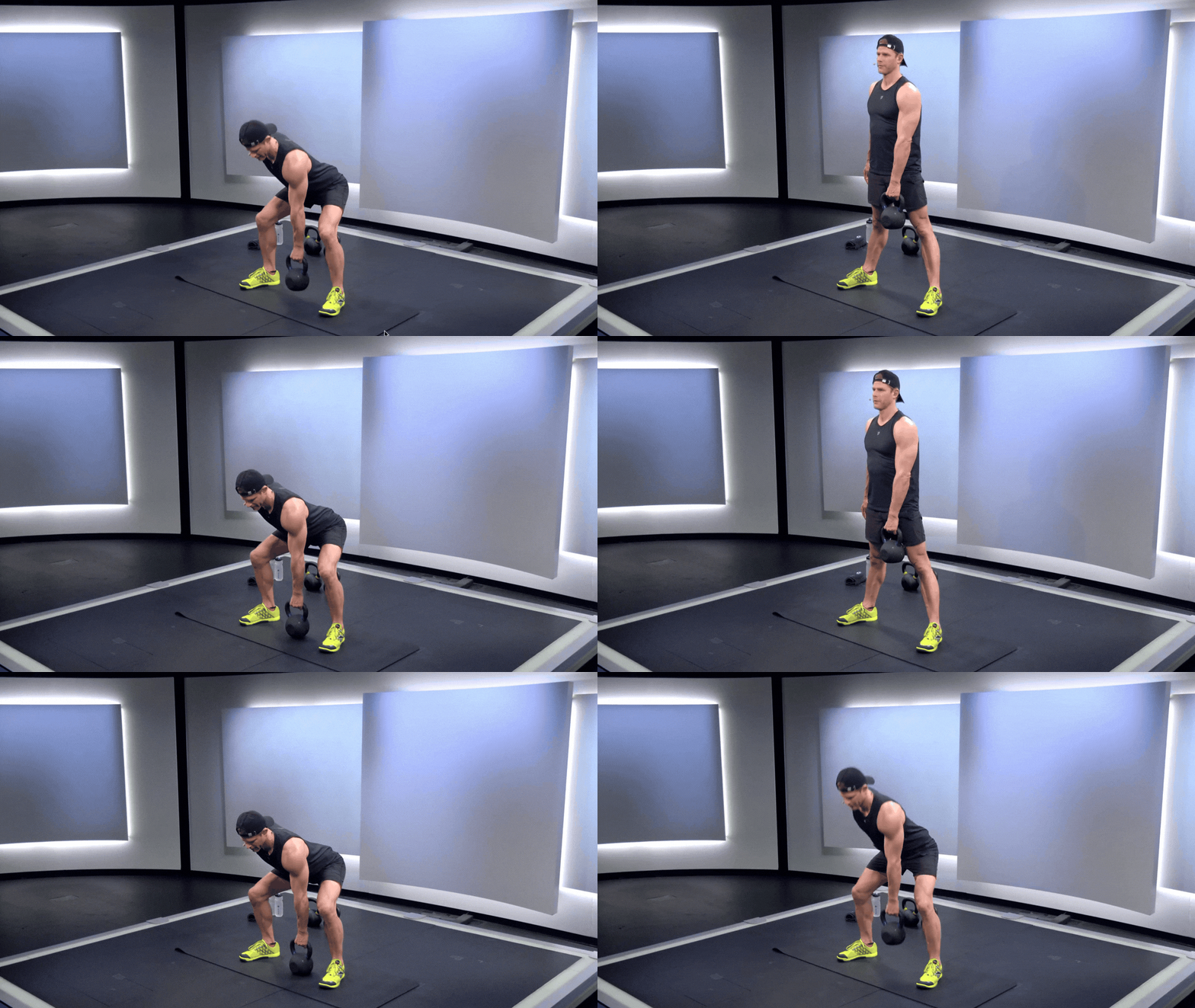
This foundational exercise builds strength in your glutes, hamstrings, and lower back, creating a robust base for more complex movements. Proper technique is crucial for effectively engaging the target muscles while protecting your spine.
Focus on maintaining a neutral spine throughout the exercise, as this will prevent injury and promote muscle engagement. It’s recommended to perform kettlebell deadlifts with lighter weights to perfect your form before moving to heavier loads.
Kettlebell Press
The kettlebell press targets your shoulders and triceps, supporting both upper body strength and stability. Start by positioning the kettlebell in the rack position at shoulder height and engage your core. Press the kettlebell overhead in a straight line while avoiding excessive arching of your back. Bring it back down smoothly to the starting position.
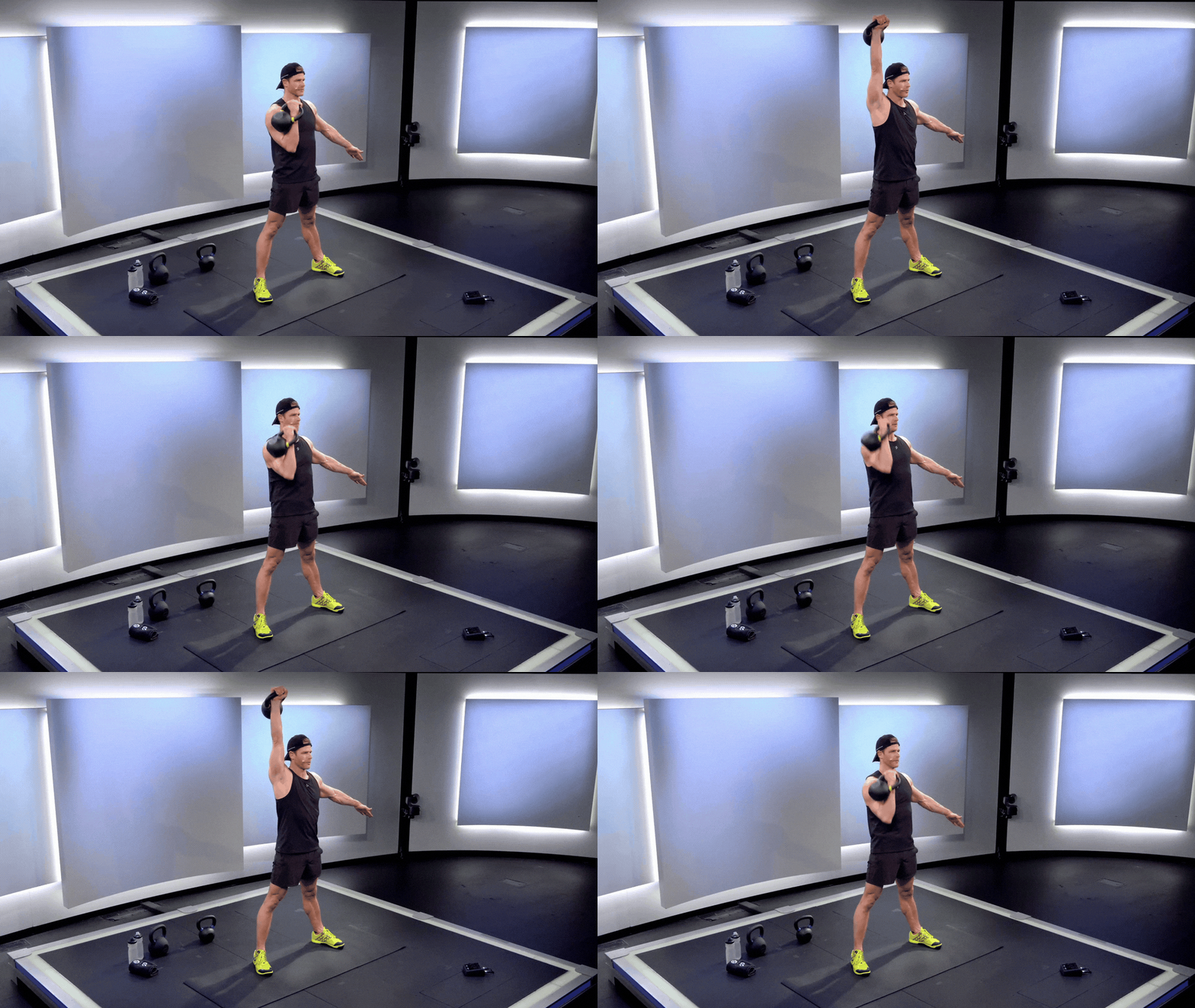
Incorporating a slight twist in your wrist as you press can help engage the shoulder muscles more effectively. Varying your stance— standing or kneeling—can add to the challenge and further develop your strength.
To maximize efficiency, ensure you alternate arms to promote muscle balance and prevent asymmetry. This exercise not only strengthens your upper body but also enhances your core stability as you maintain balance throughout the movement.
Kettlebell Clean
The kettlebell clean is a dynamic exercise that transitions the kettlebell from the floor to a racked position at your shoulder. Begin with your feet hip-width apart and the kettlebell placed between your feet. Use a powerful hip drive to pull the kettlebell upward, rotating it smoothly around your wrist as it reaches shoulder height. This movement is excellent for developing full-body coordination and strength.
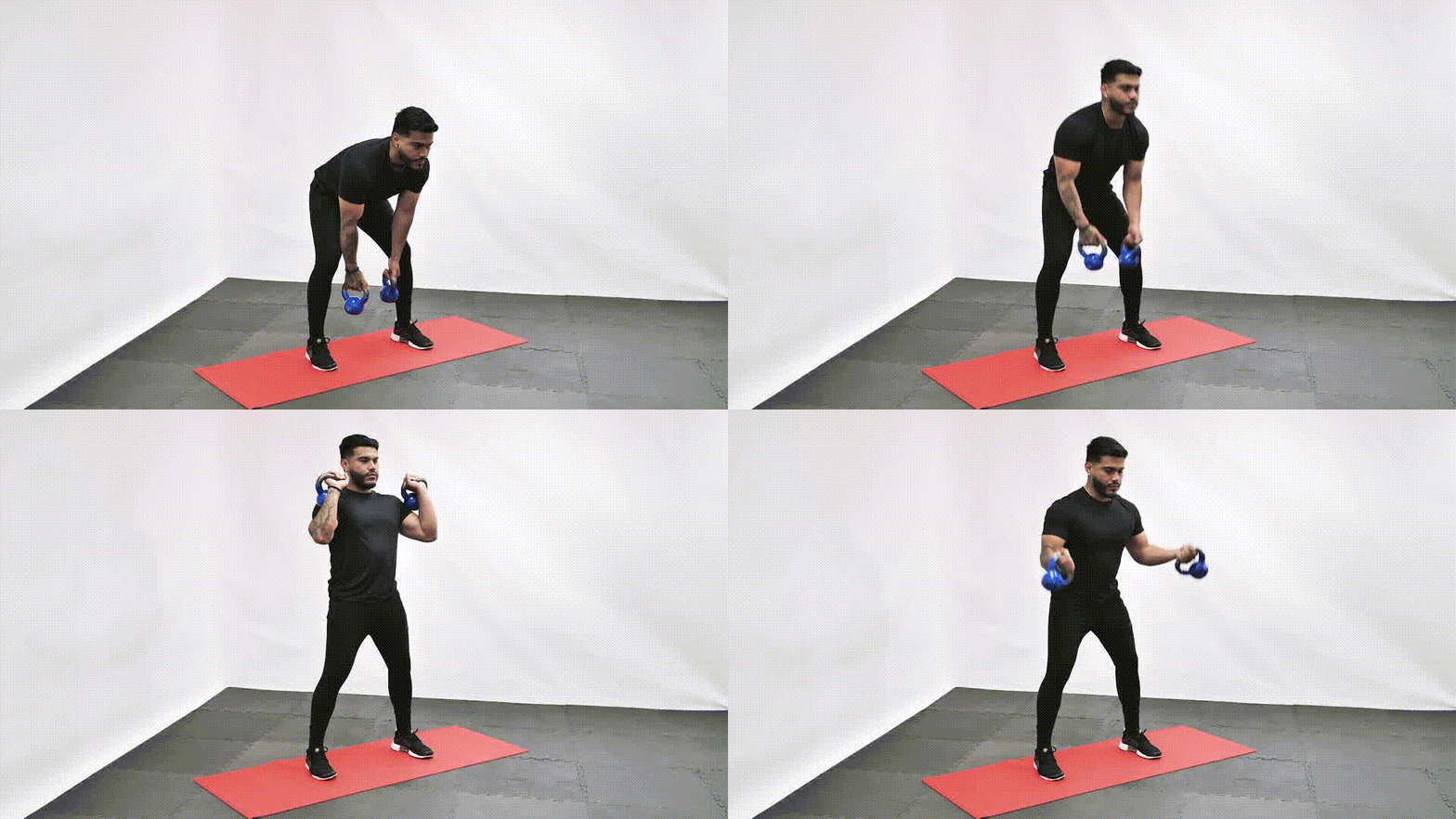
Focusing on a fluid motion will help integrate the movement pattern effectively. Key components include maintaining a tight core and using your legs to drive the weight rather than your arms, optimizing power generation in the clean.
As a versatile exercise, the kettlebell clean can be incorporated into complex movements or performed as part of a circuit to boost overall athleticism and conditioning.
Kettlebell Snatch
The kettlebell snatch is an advanced exercise that combines strength and explosive power. It involves lifting the kettlebell from the ground to overhead in one powerful motion. Start with the kettlebell on the floor, hinge at the hips, and explosively drive through your legs, pulling the kettlebell up while flipping it at the top position to minimize impact on your wrist.
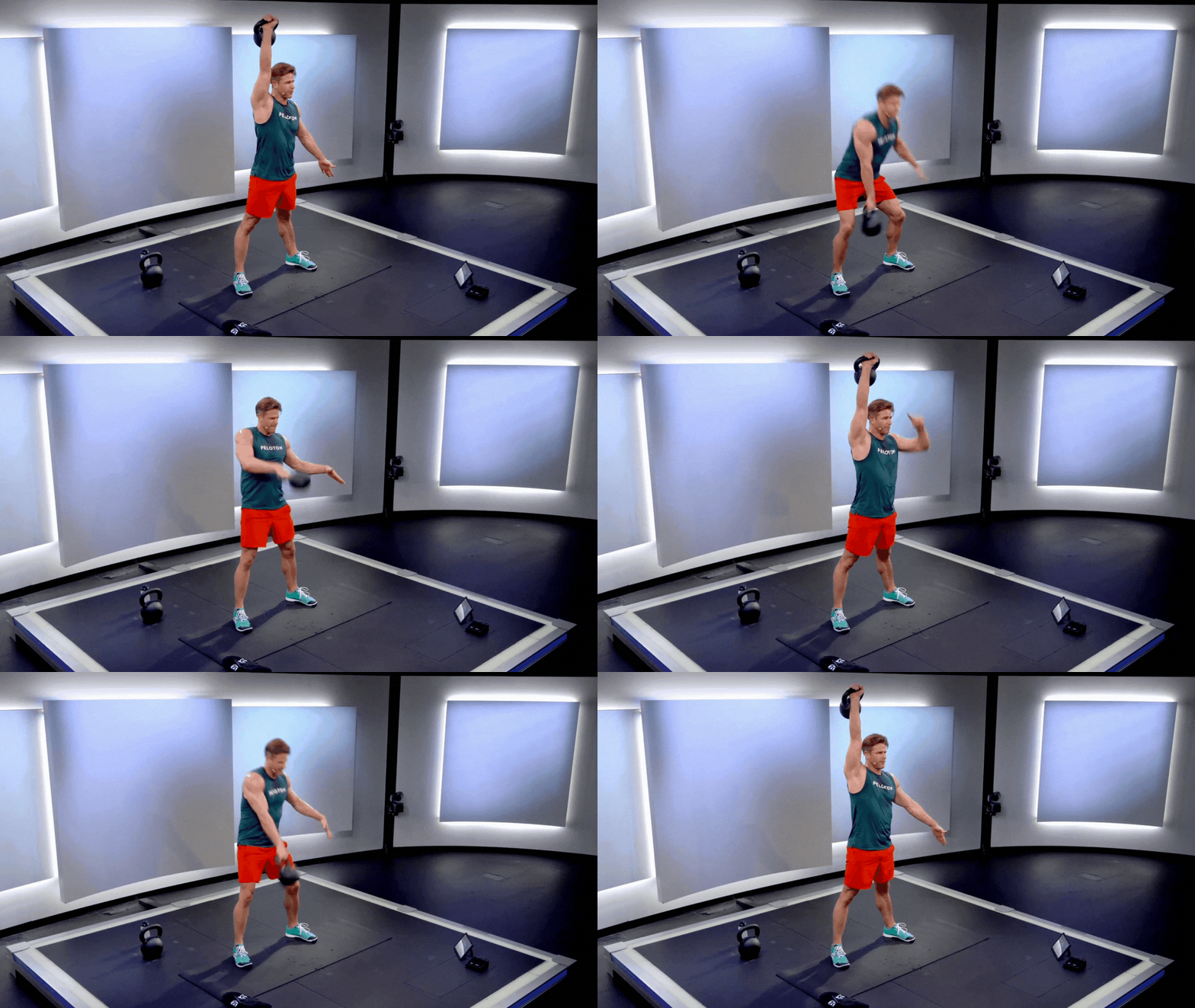
This movement is effective for building strength and endurance, challenging your cardiovascular system while engaging multiple muscle groups. A smooth transition from the swing phase to the overhead position is critical for maintaining control and effectiveness.
Practicing the snatch with lighter weights can help you refine your technique before increasing the load, ensuring you develop both coordination and strength effectively.
Kettlebell Russian Twist
The kettlebell Russian twist is a fantastic core exercise that targets your obliques. Sit on the floor, hinge back slightly, and lift your feet off the ground while holding the kettlebell close to your chest. Twist your torso side-to-side, tapping the kettlebell on the ground beside you with each rotation, while engaging your core throughout the movement.
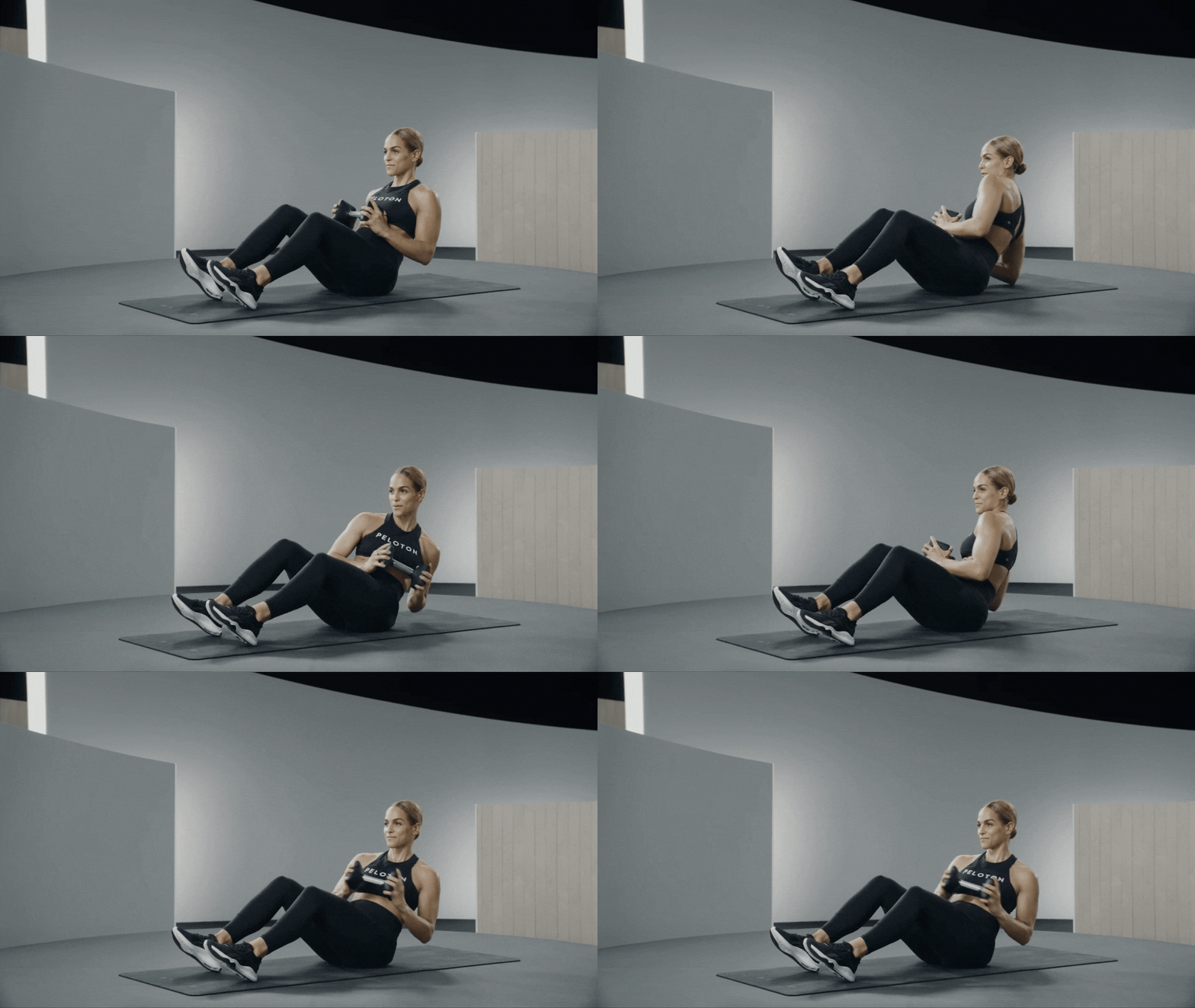
This rotational movement effectively strengthens the core while improving your balance and stability. It’s crucial to maintain a controlled motion rather than rushing through the exercise to achieve maximum benefits.
Incorporating variations, such as extending your legs, can increase the challenge. This exercise allows you to work on your strength while promoting functional movement patterns that translate into everyday activities.
Kettlebell Lunges
The kettlebell lunge effectively targets multiple lower body muscles, including your quads, hamstrings, and glutes. Hold a kettlebell in one hand at your side or in a racked position as you step forward into a lunge. Keep your front knee aligned over your ankle to ensure proper form and stability as you push back to the starting position.

This unilateral approach promotes balance and helps prevent muscle imbalances. Consider alternating which leg you lunge with or using the kettlebell in different positions for added challenge.
By practicing kettlebell lunges, you also improve your functional strength, making real-life movements easier while enhancing your overall athletic performance.

Kettlebell Plank Rows
Start by positioning yourself in a high plank with a kettlebell placed near your hand. Your body should form a straight line from head to heels. Engage your core tightly to stabilize your hips and prevent any sagging. With one hand gripping the kettlebell, you’re set to combine the benefits of a plank with a row, targeting your back, shoulders, and abdominal muscles simultaneously. A common mistake is allowing your spine to dip or rotate; focus on keeping your hips steady to maximize the effectiveness of the exercise and maintain safety.
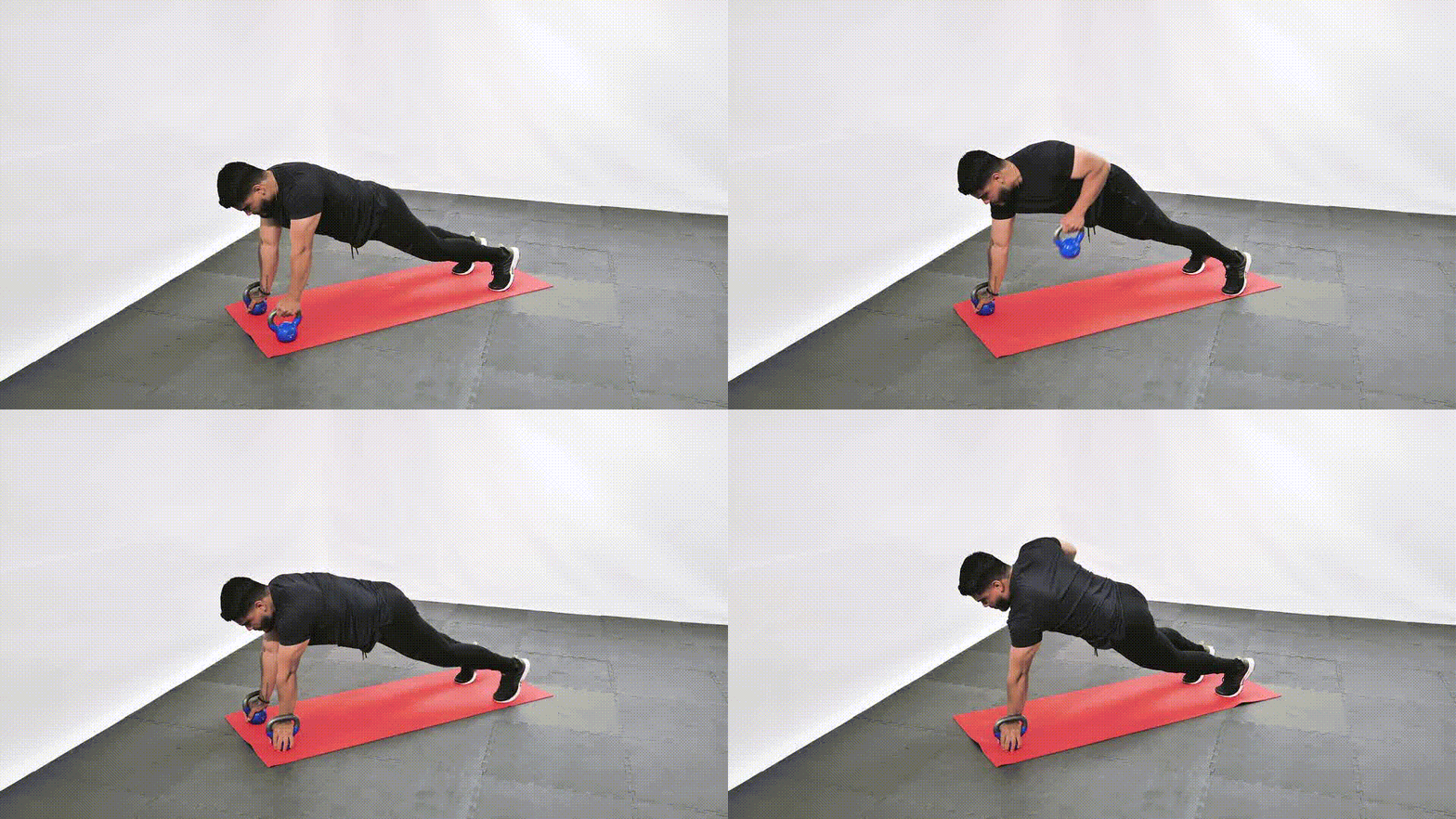
With your left hand firmly on the kettlebell, pull it towards your waist while maintaining the plank position. Keep your elbow close to your body and resist the urge to twist your torso. This controlled movement not only strengthens your upper back but also enhances core stability. After completing your desired reps, switch sides. Aim for 8-12 reps on each side to build endurance and strength. Consistency in this exercise can lead to noticeable improvements in your overall stability and posture, providing a solid foundation for more advanced kettlebell movements.
Creating Your Kettlebell Workout
How do you design an effective kettlebell workout routine?Sample Beginner Workout Routine
Your kettlebell workout should include a mix of exercises that target major muscle groups while also building your strength and endurance. A simple yet effective beginner routine could include the following: 3 rounds of 10 to 15 reps for each exercise—kettlebell swings, goblet squats, kettlebell deadlifts, and single-arm rows. This format allows you to work at your own pace and adjust the weights as needed. Be sure to warm up beforehand and cool down after your session to avoid injuries and promote recovery.
Tips for Tracking Progress
Monitoring your progress is vital to stay motivated and understand what works for you. Keep a workout journal where you jot down details like the weights used, the number of sets and reps, and how you felt during each session. This will not only help you recognize your improvements over time but will also enable you to identify any areas that need more focus.
Consider using fitness apps to log your kettlebell workouts or follow online programs that cater to beginners. Tracking progress through these means often provides visual feedback, such as graphs and achievement badges, which can be highly motivating.
Knowing this will keep you engaged in your fitness journey and encourage you to push your limits.
Additional insights include the value of personal reflections on your workouts. Noting how you feel before and after each session can reveal patterns in your energy and strength levels. Focus on the process rather than just the end goals.
Knowing these aspects will further enhance your commitment and yield better results in your kettlebell training.

Nutrition and Recovery
How do proper nutrition and recovery boost workout results?Eating for Energy
Your body requires the right fuel to perform at its best during kettlebell workouts. Incorporating a diet rich in complex carbohydrates, lean proteins, and healthy fats is crucial for sustaining energy levels. Consider foods like whole grains, legumes, and a variety of fruits and vegetables. These provide the necessary vitamins and minerals to keep your workouts intense and effective. Pay special attention to post-workout meals; a combination of protein and carbs can promote better recovery. For instance, a smoothie made with whey protein and a banana can quickly replenish your energy reserves.
Hydration plays a significant role as well. Dehydration can impair your performance and recovery, so aim to drink plenty of water throughout the day. Adding electrolytes, especially after intense sessions, can aid in recovery and help maintain optimal function. For more information about managing your nutritional needs, check out Mailmystatements | Castle Rock CO.
Importance of Rest and Recovery
Recovery is as pivotal to your fitness journey as the workout itself. Engaging in kettlebell exercises creates micro-tears in your muscle fibers, which need time to heal. This healing process is how your muscles grow and strengthen. Without adequate rest, not only does your performance suffer, but you also increase the risk of injury. Strive for at least 7-9 hours of quality sleep each night, as this is when your body repairs itself most effectively.
Incorporate rest days into your workout regimen. Performing kettlebell exercises multiple days in a row can lead to diminishing returns and fatigue. Instead, alternating workout days with rest days can promote more sustainable growth and strength. Active recovery techniques, such as yoga or light stretching, on rest days can also enhance blood circulation and expedite muscle recovery.
The significance of recovery cannot be understated. Muscle growth occurs during rest, not while you’re training. Additionally, mental fatigue can lead to decreased motivation; taking time off helps maintain your enthusiasm for your kettlebell routine. Aim to listen to your body, ensuring you give it the time it deserves to recharge and refresh.

Staying Motivated
What strategies help you stay motivated during your fitness journey?Maintaining enthusiasm for your kettlebell workouts is vital for long-term success. Regularly switching up your routine can combat boredom, ensuring that every session remains fresh and engaging. Set specific, achievable goals not just for your overall fitness but also for each workout. This could mean mastering a new technique, increasing the weight of your kettlebell, or simply completing an extra set. Tracking your progress using a fitness app or journal can reinforce your commitment and give you a clear view of your advancements.
Finding a Workout Buddy
Exercising with a friend can significantly increase your motivation levels. A workout buddy not only makes the sessions more enjoyable but also provides accountability. When you know someone is counting on you, it’s easier to show up and give your best. Sharing tips and techniques can lead to improved performance and a deeper understanding of kettlebell exercises.
Choose a partner who has similar fitness goals and schedules. This alignment ensures that both of you can push each other while celebrating achievements together. Many fitness communities offer events and classes that allow you to meet potential workout partners; take advantage of these opportunities to enhance your motivation.
Celebrating Small Wins
Recognizing small victories can propel your motivation forward. Whether it’s mastering a new move or consistently finishing your workouts for a week, each win deserves acknowledgment. Celebrate these milestones, no matter how minor they may seem, because they contribute to your overall progress and reinforce your commitment to fitness.
Small victories often build the foundation for larger accomplishments. For example, if you manage to increase your kettlebell weight or complete an additional rep in your routine, take a moment to reflect on that achievement. Consider treating yourself to a new fitness accessory or a relaxing rest day as a reward. This positive reinforcement not only celebrates your current success but also fuels your eagerness to tackle future challenges.
Summing up
Taking this into account, incorporating kettlebell exercises into your routine can be an exciting way to enhance your fitness journey. With the nine beginner-friendly movements outlined, you have the opportunity to build strength, improve your coordination, and boost your overall health in a way that feels both manageable and enjoyable.
As you practice these exercises, you’ll likely find your confidence growing along with your fitness level. Consistency is key, so embrace the process, stay engaged, and take pride in each small victory. With a little patience, you’ll soon discover how transformative kettlebell training can be for your body and mind.
FAQ
Kettlebell exercises involve using a cast-iron weight with a handle to perform a variety of strength and conditioning movements. They help improve strength, endurance, and overall fitness.
Yes, beginners can start using kettlebells. There are many simple exercises that can be easily mastered with proper form, making them accessible for those new to fitness.
Some basic kettlebell exercises for beginners include the kettlebell swing, goblet squat, and shoulder press. These exercises target multiple muscle groups and provide a full-body workout.
Kettlebell training benefits beginners by improving strength, enhancing fitness levels, boosting coordination, and promoting fat loss. It’s an effective way to achieve multiple fitness goals simultaneously.
No, prior fitness experience is not necessary to use kettlebells. Beginners can start with light weights and focus on learning the movements before progressing to heavier weights.


