












Most new gym-goers feel overwhelmed by the variety of strength training options available. This guide will walk you through nine crucial moves that will build your strength, improve your form, and boost your confidence in the gym. Each exercise is geared towards beginners, so you can safely and effectively enhance your workout routine. Embrace these foundational moves and watch your fitness journey thrive!


The Importance of Strength Training
Why Everyone Should Lift Weights
Lifting weights offers a pathway to enhance your overall health and physical capabilities. As you engage in strength training, you not only build muscle but also increase your bone density, significantly reducing the risk of osteoporosis later in life. Around 30% of muscle mass declines with age, yet consistent weight training can help counteract this by preserving muscle and maintaining functionality. Additionally, incorporating strength training into your routine helps regulate insulin levels and improves metabolic rates, leading to better weight management and overall fitness.
Your mental well-being experiences a boost as well. Strength training releases endorphins, contributing to improved mood and decreased feelings of anxiety. It can empower you, lead to greater self-confidence, and foster a sense of achievement, especially as you begin to see progress in your strength and composition. The psychological benefits mirror the physical, making strength training a holistic approach to enhancing your quality of life.
Benefits for Beginners
Starting your strength training journey can lead to immediate advantages that extend beyond just muscle gain. For beginners, strength training enhances your body’s ability to perform everyday activities more efficiently, improving your overall functional fitness. This increased strength can translate to better performance in sports and recreational activities, reducing the likelihood of injury as your body adapts to greater physical demands.
Additionally, engaging in strength training can result in improved body composition. Many beginners notice changes in their physique within a few weeks, experiencing fat loss while gaining lean muscle mass. This transformation not only boosts your metabolism, leading to more calories burned at rest, but also promotes a healthier lifestyle overall. Coupled with a balanced diet, the combined effects of strength training can significantly elevate your fitness level.
Every beginner should embrace strength training as it lays the groundwork for a sustainable fitness routine. In particular, you might discover newfound physical capabilities, translating into enhanced daily living and self-image. The immediate physical changes and psychological benefits can create motivation that reinforces your commitment to a healthier, stronger version of yourself.

Essential Strength Training Moves
Squats: The Foundation for Lower Body Strength
Squats are a fundamental exercise that targets multiple muscles in your lower body, including the quadriceps, hamstrings, and glutes. Performing squats not only enhances your strength but also improves your balance and flexibility. Start by standing with your feet shoulder-width apart, keeping your chest up and your back straight as you lower your body as if you’re sitting back into a chair. Aim for your thighs to be parallel with the ground before pushing back up to the starting position. Incorporating squats into your routine can lead to increased muscle tone and superior athletic performance.
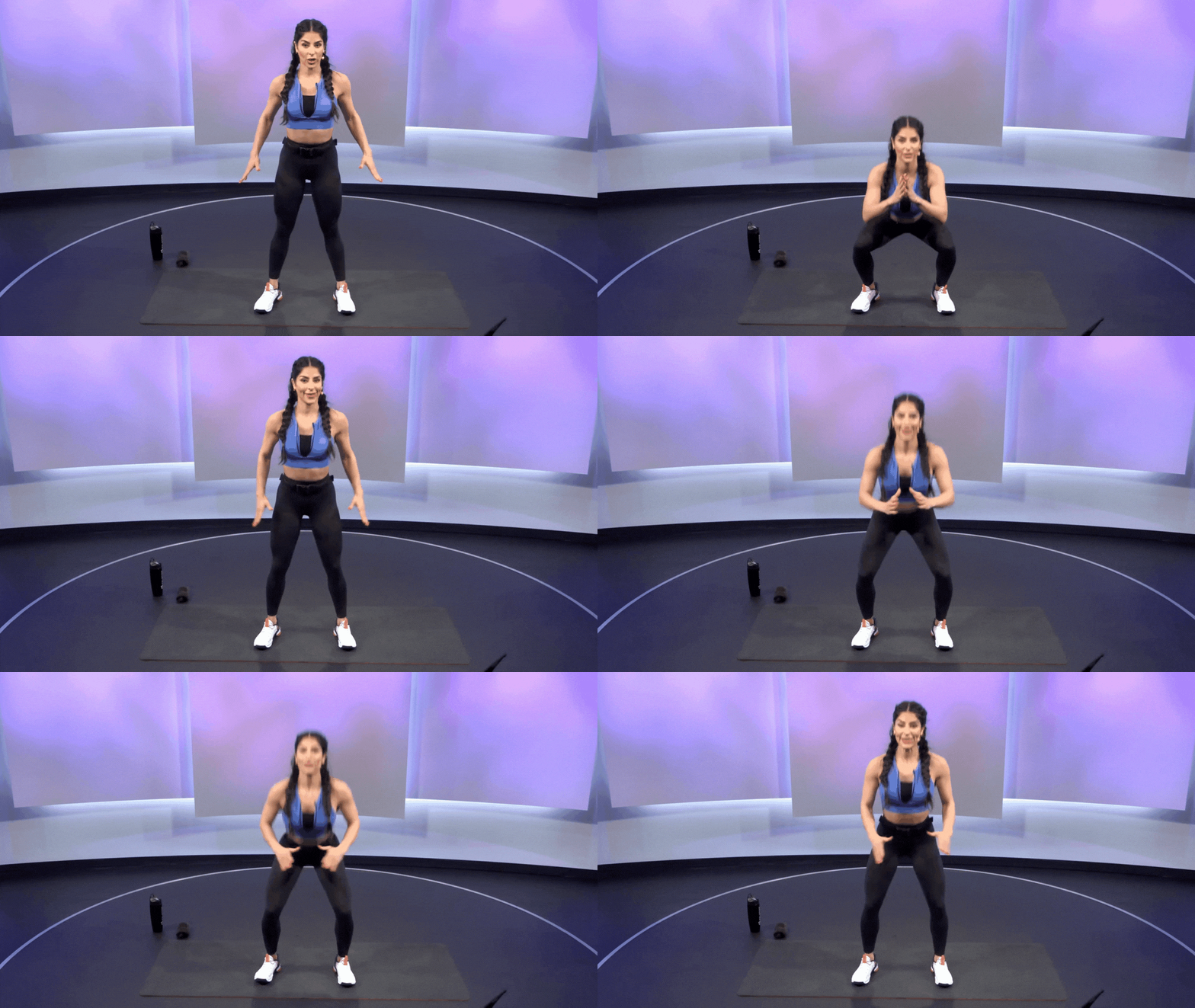
As you gain confidence with bodyweight squats, consider adding resistance through dumbbells or a barbell to further challenge your muscles. You can experiment with different squat variations, such as goblet squats or sumo squats, to keep your workouts engaging and target different muscle groups. This exercise forms a solid foundation for any strength training program, allowing you to progress to more advanced moves.
Push-Ups: Building Upper Body Power
Push-ups are an exceptional exercise for developing upper body strength, engaging your chest, shoulders, triceps, and core. Proper form is key; keep your hands slightly wider than shoulder-width apart and maintain a straight line from head to heels. Lower your body until your chest nearly touches the ground, then push back up to the starting position. As you perform push-ups regularly, you’ll notice improvements not only in strength but also in muscular endurance.
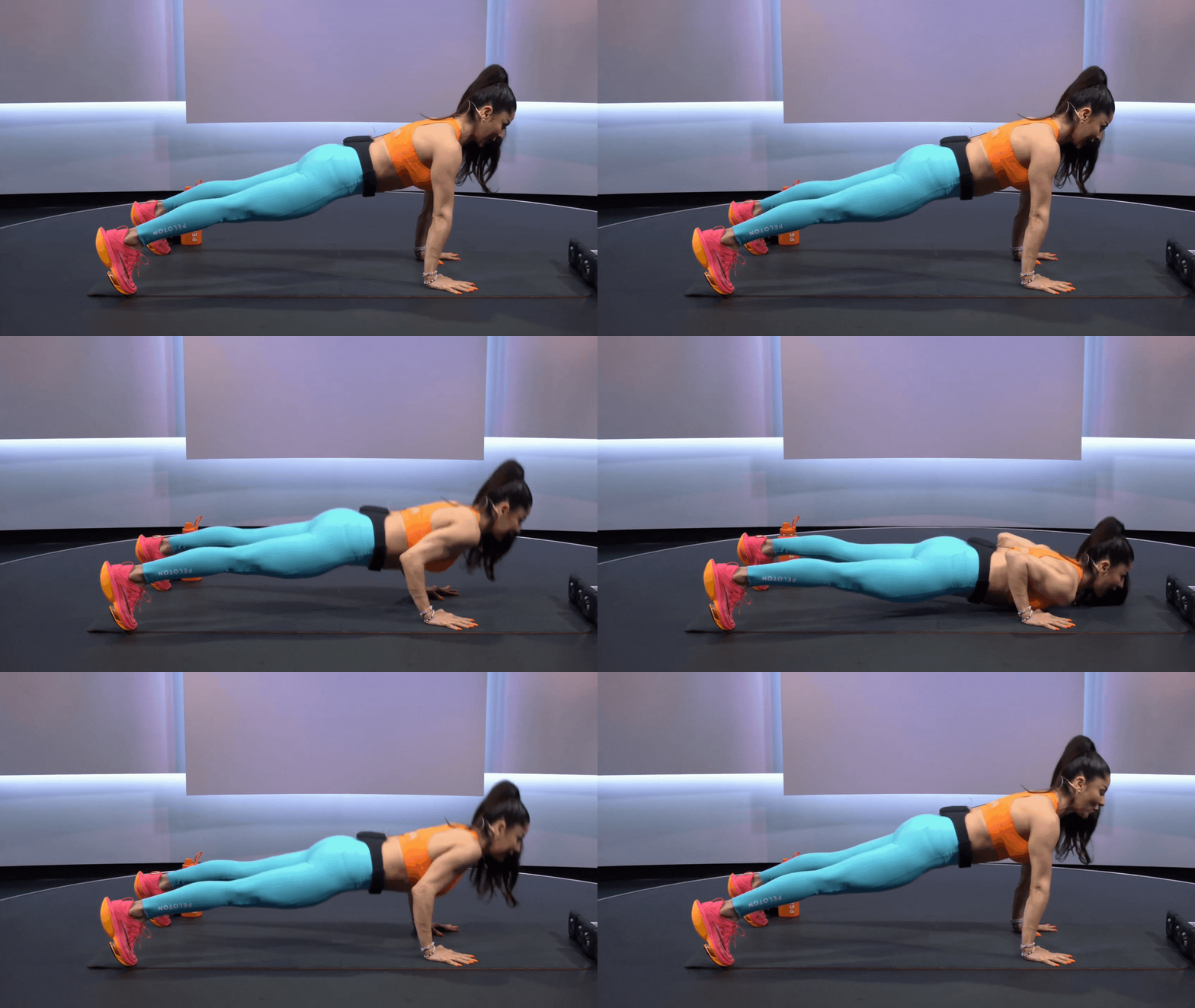
Incorporating variations like incline or decline push-ups can increase the challenge as you progress. Gradually, you might want to explore advanced styles such as diamond push-ups or one-arm push-ups for added intensity. Consistent practice helps not only in building muscle but also in enhancing functional strength that translates to other physical activities.
Push-ups promote good posture and can significantly improve your ability to perform daily tasks by building functional strength. They can be easily modified for different fitness levels, allowing you to start on your knees and work up to full push-ups as you gain strength. The versatility of this exercise makes it a staple in any beginner’s strength training regimen.

Core Exercises for Stability
Planks: Strengthening Your Core
Planks are a fundamental exercise that targets the entire core, improving stability and endurance. By maintaining a neutral spine and holding your body in a straight line from head to heels, you actively engage your abdominal muscles, obliques, and lower back. Start with a forearm plank, ensuring your elbows are directly under your shoulders and your feet are hip-width apart. Hold this position for as long as you can, aiming to increase your time as you grow stronger.
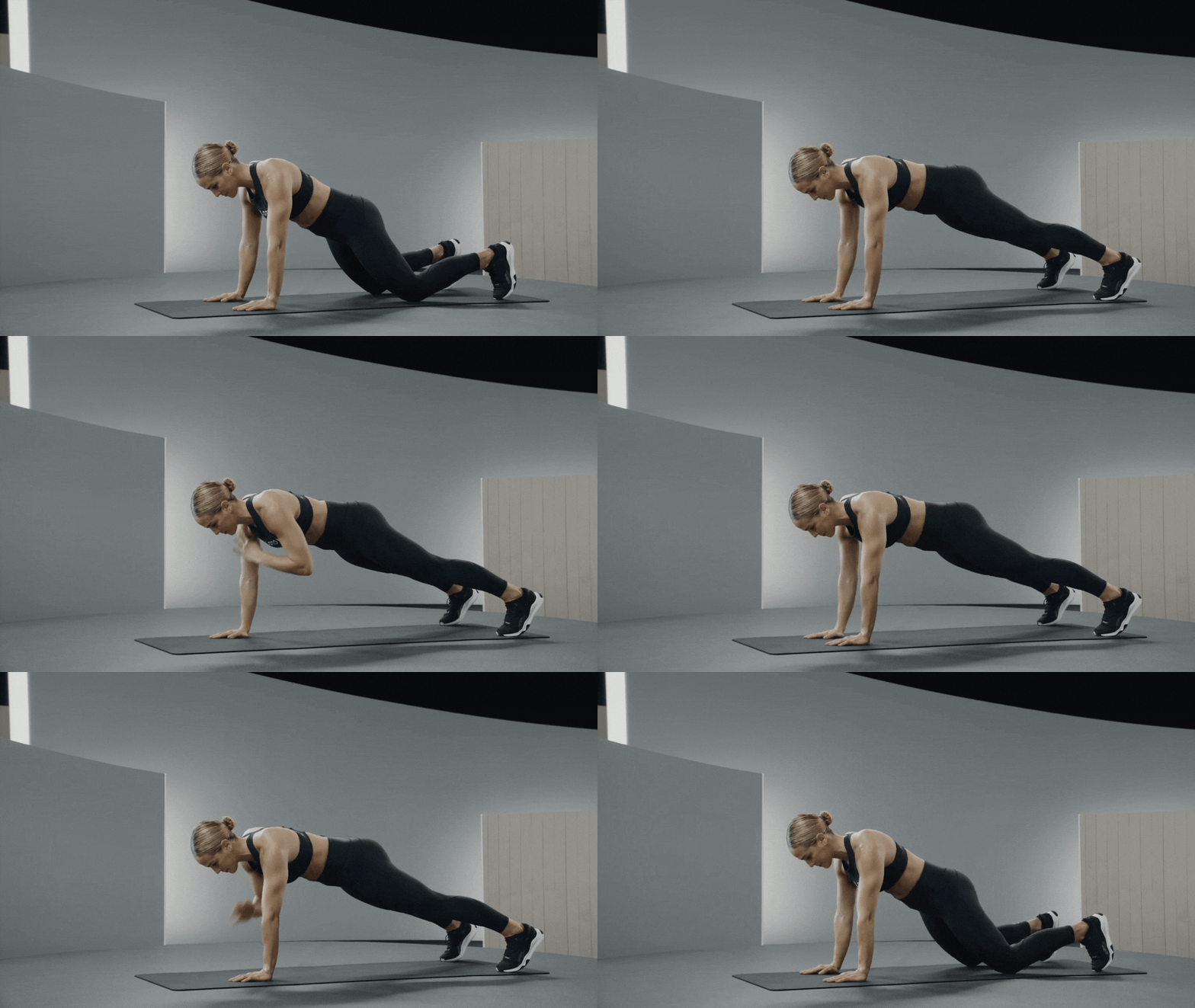
This exercise not only enhances core strength but also boosts your overall body control, which is crucial for various movements in daily life and other workouts. Incorporate variations, such as side planks or plank jacks, to challenge different muscle groups and keep your routine engaging. Aim for multiple sets throughout the week to see noticeable improvements in your stability and posture.
Dead Bugs: Engaging Your Core Muscles
Dead bugs are an excellent way to activate your core muscles while emphasizing control and coordination. By lying on your back with your arms extended towards the ceiling and your knees bent at 90 degrees, you create an engaging position for your core. As you lower one arm and the opposite leg towards the floor, maintain tension and avoid arching your back—this keeps your core firmly engaged. Switching sides continuously offers a dynamic challenge, ensuring that your muscles remain activated throughout the movement.
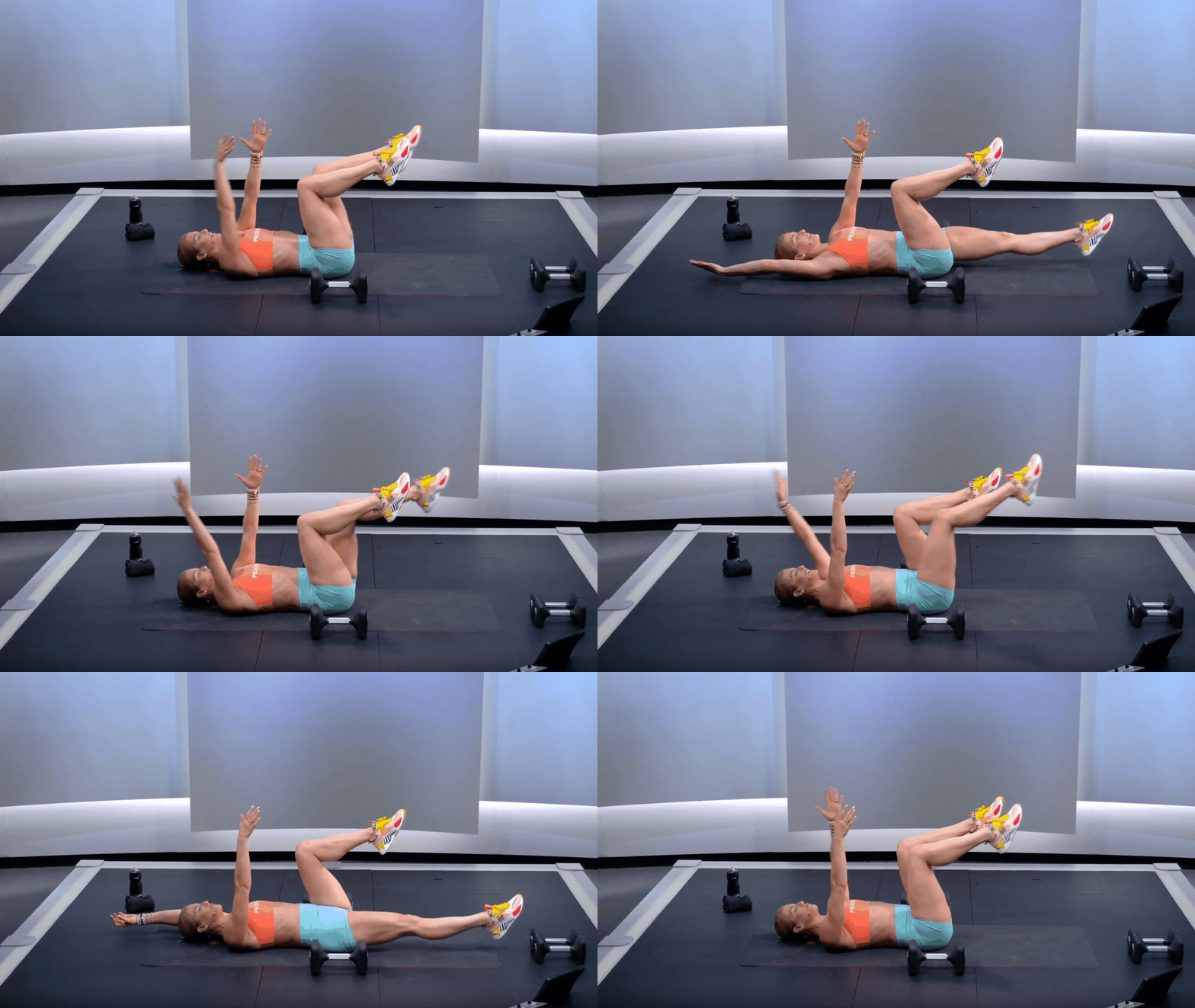
For added difficulty, hold the position at the bottom before returning to the starting point, or use a resistance band for more tension. As you practice this exercise, you’ll build strength that translates into better performance in other activities, enhancing overall functional movement. Integrate dead bugs into your routine two to three times a week for optimal results.
Dead bugs are particularly beneficial because they promote a stable core without putting pressure on your back. By focusing on slow, controlled movements, you activate the deep abdominal muscles responsible for stability. This intentional approach not only prevents injury but also lays a strong foundation for more advanced core exercises down the line. Plus, you can easily modify the movement to suit your fitness level, making it accessible for all beginners.

Helping Hands: Using Dumbbells
Dumbbell Rows: Strengthening Your Back
Dumbbell rows are a powerful move for targeting your upper back, specifically the latissimus dorsi and rhomboid muscles. By incorporating this exercise into your routine, you can effectively improve your posture and prevent potential injuries from weak back muscles. To perform a dumbbell row, hinge at your hips with a slight bend in your knees, hold a dumbbell in each hand, and pull them towards your waist while keeping your elbows close to your body. Aim for 3 sets of 10-12 repetitions to build strength over time.
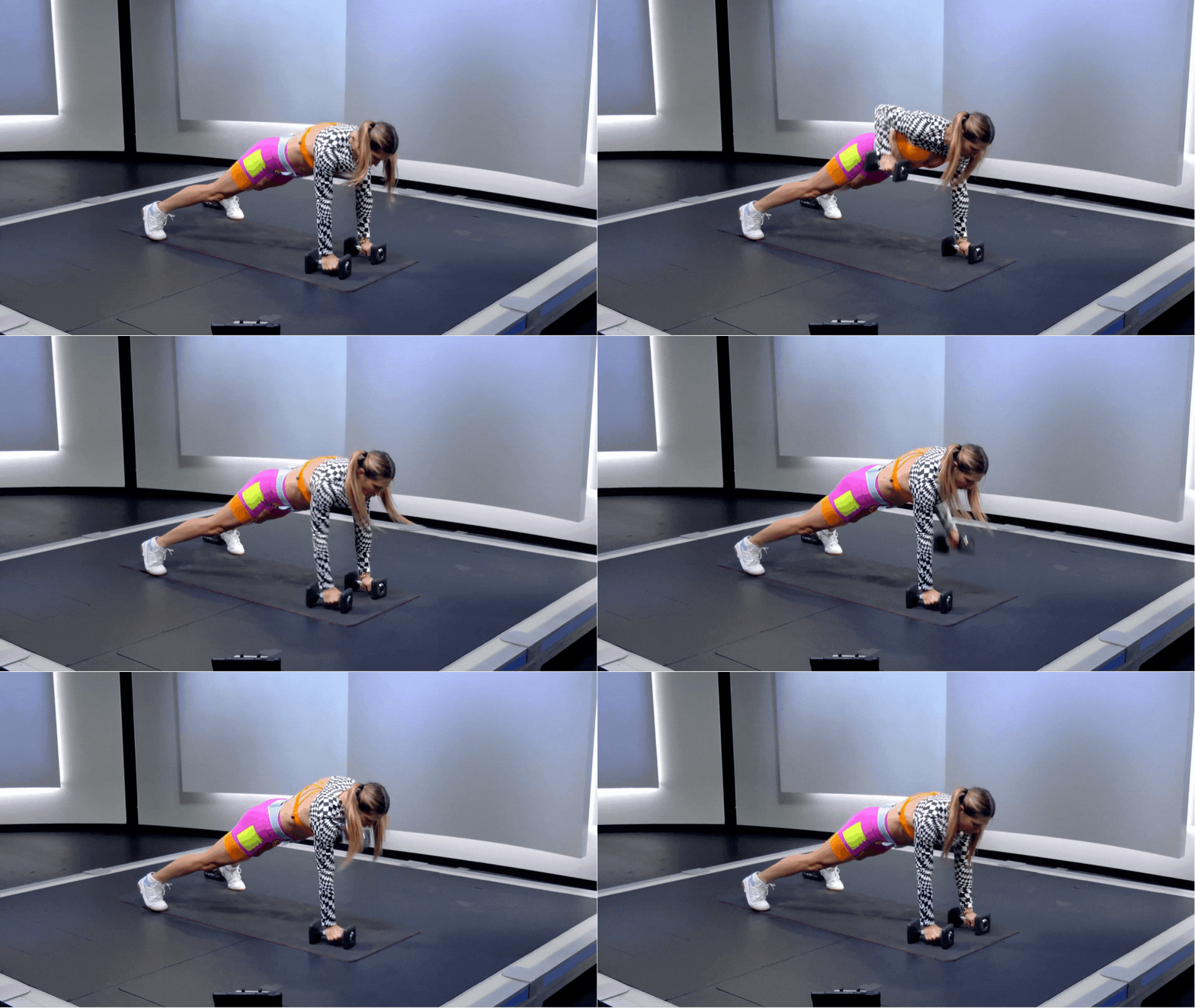
Feedback from beginners indicates that incorporating dumbbell rows not only enhances back strength but also impacts overall upper body functionality. As you progress, you can adjust the weight of the dumbbells or increase repetitions to continue challenging yourself and reaping fitness benefits.
Dumbbell Shoulder Press: Building Upper Body Strength
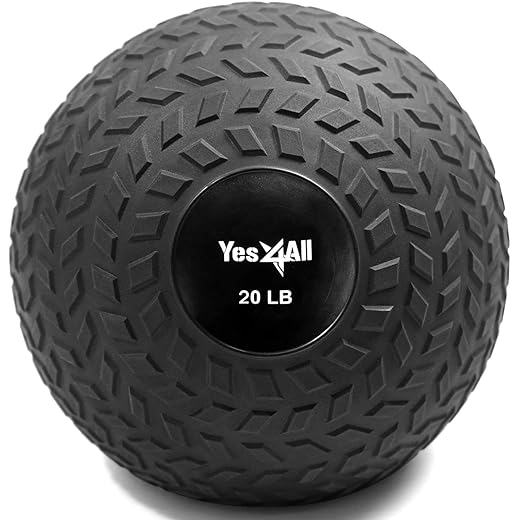
The dumbbell shoulder press is an crucial exercise for developing your shoulder muscles and improving your overall upper body strength. By pressing the dumbbells overhead, you engage both the deltoids and the triceps, delivering a comprehensive workout for your arms. Stand with your feet shoulder-width apart, hold a dumbbell in each hand at shoulder height, and press upward until your arms are fully extended. Aim for 3 sets of 8-10 repetitions to effectively build and tone your muscles.

Including the dumbbell shoulder press in your training routine also enhances stability and balance as your core muscles engage to support the movement. This multi-benefit exercise can contribute to your daily activities, making tasks such as lifting objects over your head easier and safer.
Bodyweight Exercises for All Levels
Lunges: A Functional Lower Body Move
Lunges engage multiple muscle groups, making them an effective way to enhance lower body strength. By working your quadriceps, hamstrings, and glutes, lunges help stabilize your body and improve your balance. You can perform variations, such as forward lunges, reverse lunges, or side lunges, giving you flexibility in your workout routine. To start, stand tall with your feet together, take a step forward, and lower your body until your front thigh is parallel to the ground. Keep your core tight to maintain stability.
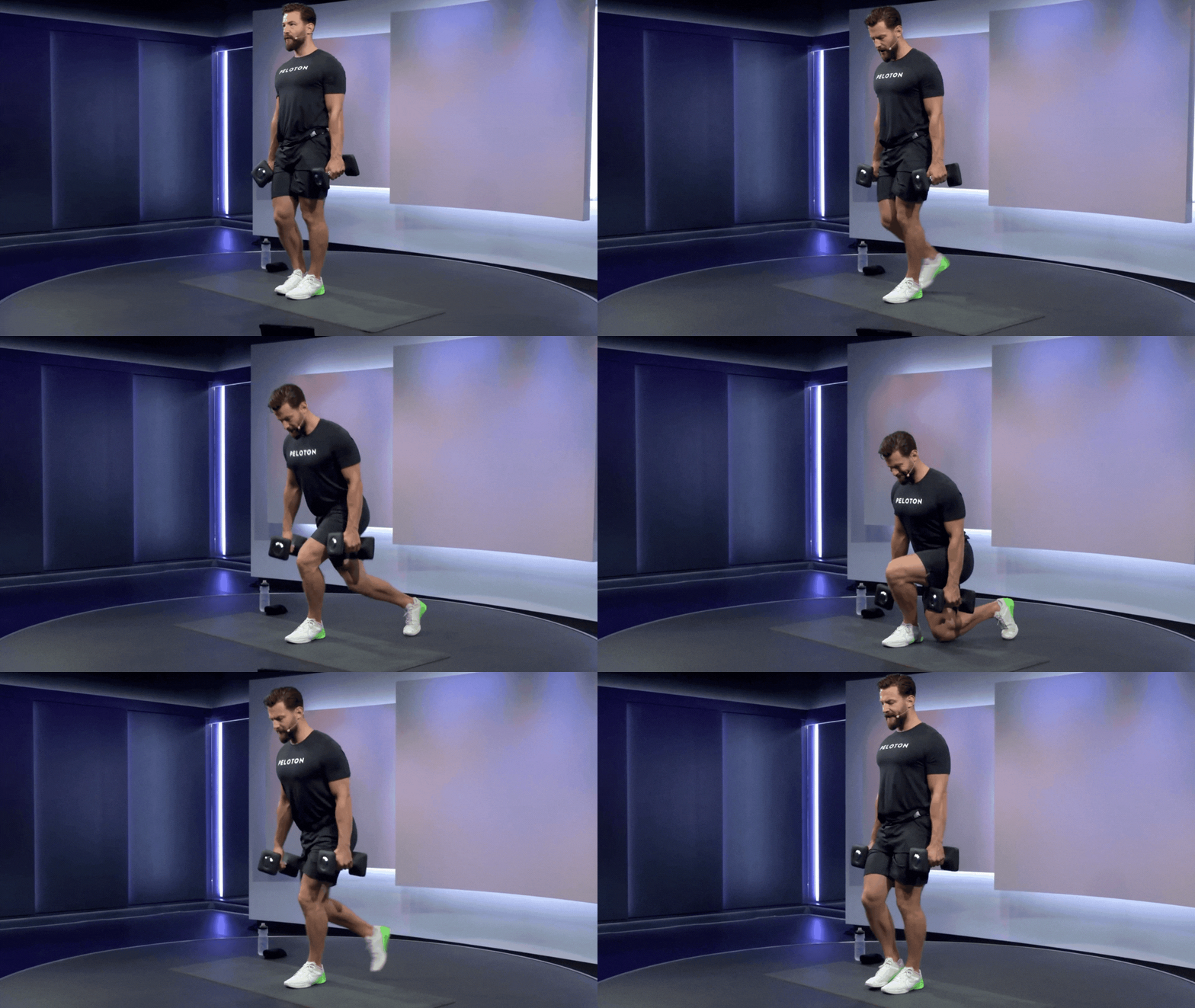
As you gain confidence, aim for three sets of 10-15 lunges per leg. Incorporating lunges into your regimen also mimics real-life movements, enhancing your functional fitness. This benefit is particularly important for daily activities, as strong legs can make everything from climbing stairs to carrying groceries easier and safer.
Glute Bridges: Activating Your Glutes
Glute bridges focus on your gluteal muscles, which play a significant role in hip stability and strength. By lying on your back with your knees bent, you lift your hips towards the ceiling while engaging your glutes. This not only strengthens the glutes but also helps to alleviate lower back discomfort by improving muscle balance around your pelvis. Aim for three sets of 10-15 repetitions while ensuring your shoulders remain on the ground and your chin is tucked.
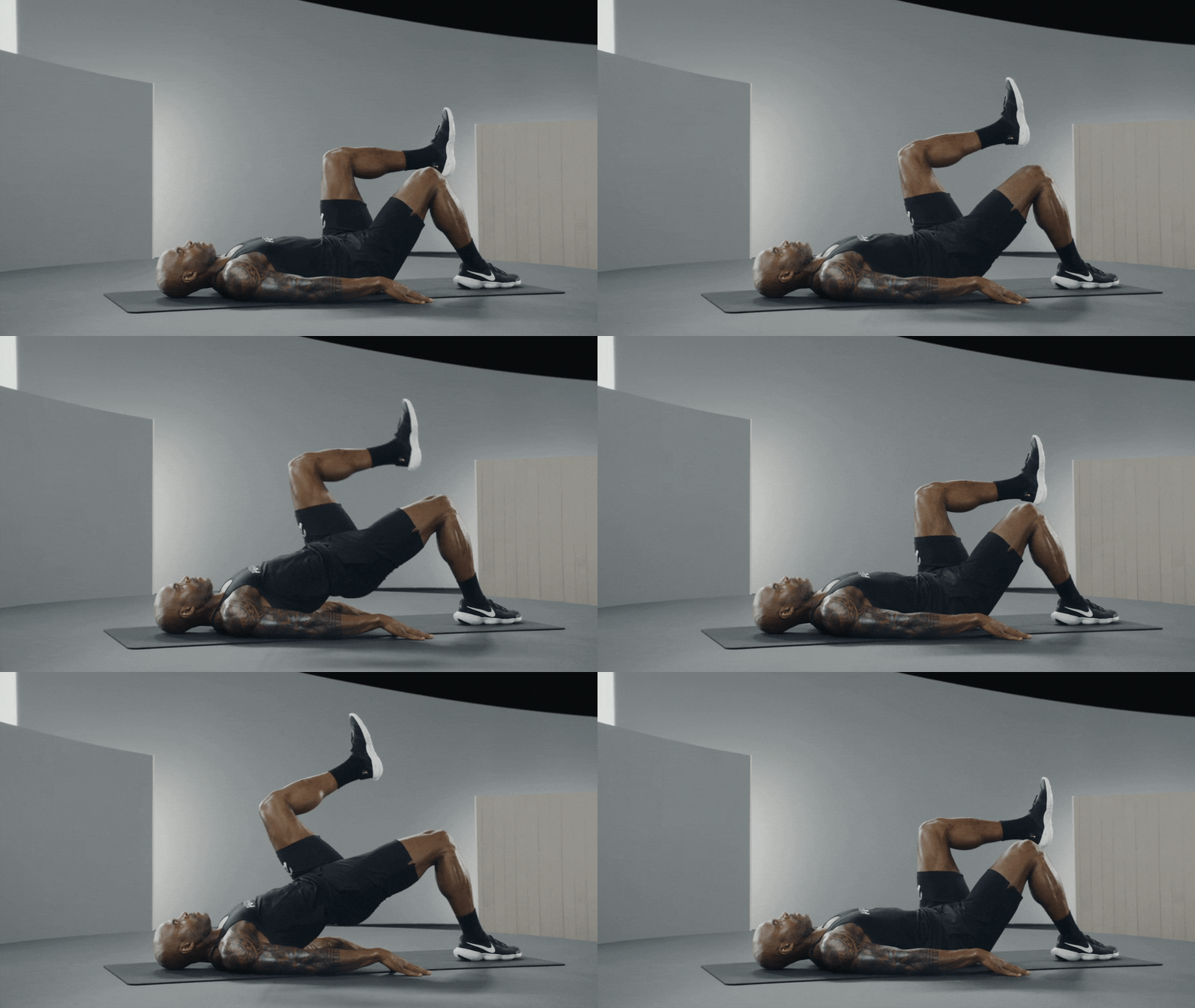
Incorporating glute bridges into your workouts also supports athletic performance. Strong glutes enhance power in movements like running and jumping, which can significantly improve your overall fitness level. Consider adding variations like single-leg glute bridges for added intensity and engagement.
Focused on more than just aesthetics, glute bridges are important for overall functionality and injury prevention. A strong posterior chain can lead to better posture, reduced risk of lower back pain, and enhanced mobility, making this exercise a crucial addition to your strength training routine.

Putting It All Together: Creating a Routine
Sample Beginner Workout Plan
A well-rounded routine should include a mix of strength training, cardiovascular exercise, and flexibility work. Aim for a workout plan that looks something like this: on Mondays, you can focus on upper body strength with exercises like push-ups and dumbbell rows. Midweek, a leg day could include lunges and squats. Finish your week with full-body movements, incorporating planks and deadlifts. Ensure you’re also dedicating time to warm up before workouts and cooling down afterwards to enhance recovery and flexibility.
Your workout schedule might look like this: train three days a week, allowing a day of rest between sessions. For instance, you could work out on Monday, Wednesday, and Friday, with a combination of cardio on the other days. This approach balances strength training with metabolic conditioning, ensuring a comprehensive fitness journey.
Tips for Staying Consistent
Establishing a regular workout schedule can set the stage for long-term success. Consider scheduling your workouts at the same time daily to build a habit; consistency will yield results. Track your progress in a journal or an app for motivation, noting improvements such as increased reps or weight lifted. Additionally, finding a workout buddy can enhance accountability and make your routine enjoyable.
Incorporating variation into your plan also helps combat boredom. Try new exercises or change up your workout order every few weeks. Furthermore, set realistic, short-term goals that are achievable, allowing you to celebrate milestones along the way and maintain momentum. Perceiving your progress, no matter how small, builds confidence and encourages ongoing commitment.
As you navigate your strength training journey, focus on integrating movements that resonate with you and adapt your workouts based on how your body feels. Writing down your experiences can also reinforce your commitment—this diary becomes a powerful tool for reflection. Perceiving the shifts in your strength not only keeps you engaged but also inspires others around you.

Summing up
Now that you’ve explored the 8 must-know strength training moves for beginners, you’re equipped with a solid foundation to start your fitness journey. These exercises will not only help you build strength but also improve your overall health and well-being. As you become more familiar with each move, you’ll gain confidence in your abilities and can gradually increase the difficulty to keep challenging yourself.
Incorporating these strength training moves into your routine will empower you to achieve your fitness goals. Don’t hesitate to listen to your body and make adjustments as needed. With consistency and commitment, you’ll see progress and enjoy the benefits of a stronger, healthier you.
FAQ
Beginners should focus on fundamental moves such as the squat, deadlift, bench press, overhead press, and bent-over row. These exercises engage multiple muscle groups and build a solid foundation.
Beginners should aim for 2-3 strength training sessions per week, allowing at least one rest day between sessions to promote recovery and muscle growth.
Bodyweight exercises can be highly effective for beginners. Movements like push-ups, lunges, and planks can build strength without weights, making them a great starting point.
Beginners should focus on learning the correct technique, possibly by working with a trainer, using mirrors for feedback, and starting with lighter weights to master form before progressing.
To prevent injury, beginners should warm up adequately, use weights that are manageable, listen to their body, and avoid pushing through pain. Gradually increasing intensity is key.


